
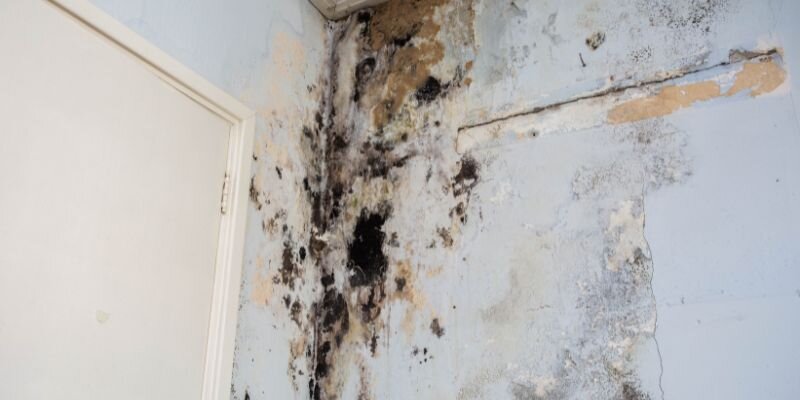
If your Ohio home has mold issues, you can still sell it, even though it might be hard. If you want to sell your house but it has mold on it, you should know what will happen. Mold can hurt both the sale price and the buyers’ interest. These people can still sell their homes even if they have mold in them because it’s against the law. This guide examines the legalities involved, including what information needs to be shared and how to address common problems, so the exchange runs more smoothly in these complicated situations. Selling a home with issues like mold or structural damage can be stressful, especially if you’re on a tight timeline. Many homeowners turn to cash home buyers in Ohio to avoid repairs and speed up the process.
Key Highlights
- Mold grows a lot in Ohio homes because the air is very humid there. It is the law that sellers must tell buyers about these issues.
- A lot of things grow mold, like black mold and Aspergillus. They can help houses get ready to sell and pose health risks that you should know about.
- Professional mold removal is the right thing to do because it follows the law, gets rid of mold where it starts, and makes the home more valuable.
- If there is mold in your home, you need to be honest with buyers and show proof that you have tried to fix the problem.
- Ohio law says that sellers must tell buyers if there are mold issues. This keeps buyers out of trouble with the law when they buy a house “as is.”
Understanding Mold Issues in Ohio Homes
Many Ohio homes have mold problems because the state is very wet, which makes mold grow. Mold in the home can lead to many issues that people who are affected by it should be aware of. If you know which mold types are most common in Ohio and how dangerous they are, you can address these issues effectively. It’s important to know these things to keep your home safe and healthy, whether you have mold or are trying to fix damage caused by mold.
Common Types of Mold Found in Ohio Houses
Molds of many types can grow well in Ohio. Many people in Ohio have stachybotrys, which is a type that is often talked about because it is very bad for your health. This kind needs a lot of water to grow, so it usually shows up where there is a lot of it. Molds like Aspergillus and Cladosporium also grow on food and other organic materials. Cladosporium likes to live on wood and rugs. Every homeowner should know that each type of mold comes with its own set of health risks and mold issues. Most of the time, Chaetomium grows on walls and frames that are wet. This kind of mold grows a lot in Ohio, too. People whose immune systems aren’t working well or who already have breathing problems may find it hard to breathe when they are around this kind of mold. Ohio has very tough weather, with hot summers and snowy winters. Because of this, you should check your home for mold often. Because bathrooms, basements, and attics tend to be damp and lack air flow, this is especially important there. If you live in Ohio and have mold problems, you need to take steps to stop mold damage. A lot of mold can be stopped by checking your home often and putting dehumidifiers in places where mold is likely to grow. People who know about these common kinds of mold can keep their health safe and get their house ready to sell, even if it has mold in it. If you know what problems each type of mold can cause, you can take steps to stop them before they happen. This makes getting rid of mold easier. These steps protect the structure of the home and the health and safety of the people who live there by making sure that problems can be fixed quickly and easily.
The Dangers of Mold Exposure
It is very bad for your health to be around mold in your home, especially in Ohio. It can have short-term and long-term effects on your well-being. Mold can make people have stuffy noses, sore throats, coughing fits, and even skin irritations. It is possible for people with asthma or allergies to have more asthma attacks or severe allergic responses when they are around mold. Folks who don’t keep the temperature in their homes are more likely to have these mold issues, so it’s important for them to know how they can hurt their health. It’s possible for people who don’t already have health problems to get new allergies or breathing problems after being around mold for a long time. Calls like this one show how important it is to find and fix mold issues right away. Mold pollution might be worse for kids and older people, which could be bad for their mental and lung health. People who live in homes need to be careful to find mold and get rid of it. People who don’t want mold in their homes should take steps to prevent it from growing, like ensuring there is adequate airflow and regularly checking for moisture. People could be sued for a lot of money if they sell their homes “as is” and don’t tell potential buyers that they have mold problems. Most people don’t know how bad the mold is, though. In Ohio, mold damage is both a health issue and a legal problem because the law says it has to be fully shown. Now and in the future, people who want to buy homes need to know how to sales with mold the right way. Getting rid of mold the right way will not only make the living place healthy, but it will also protect the property’s value and reputation. Ohio homeowners can stay healthy, stay out of trouble with the law, and make their homes safer by learning about molders the right way.
Aspects of Living in a House with Mold in Ohio
When you try to sell a house in Ohio that has mold on it, buyers have to follow certain rules, or you could get in a lot of trouble with the law. This is what Ohio law says sellers have to do: give full mold notice. This lets potential buyers know about any mold issues before they buy. People who know Ohio’s estate law can get through the difficult process of selling a house that has mold problems just the way it is. Following these legal requirements properly keeps sellers out of trouble with the law and speeds up the process, even if they are selling a house that has mold disclosures.
Mold Disclosure Obligations for Sellers
Every real estate sale in Ohio has to be clear about mold issues. This is mostly because buyers have to give strict mold disclosures. By law, sellers in Ohio must tell people who are interested in buying their home about any mold issues they know about. As a whole, this is in line with the rule that is meant to protect customers. Because of this, sellers must do thorough inspections and be honest with prospective buyers about mold issues. Big legal problems can happen if you don’t do these things, like getting sued or fined for not telling the right people about mold problems. Mold rules in Texas are not made up on the spot; they are based on the fact that being around mold is very bad for your health. These risks need to be known by people who might buy so that they can make smart decisions. If buyers don’t know about mold problems, they can get worse health problems and have to pay a lot of money to fix them. This can lead to claims that could have been avoided. The law in Ohio says that sellers must be honest about the presence and severity of mold so that they don’t get in trouble with the law again. The law in Ohio makes it very clear how important it is to handle these mold reports with care. Some buyers might try to get around these rules by saying they have a place, but not telling the truth is illegal and will hurt them in the long run. People who are selling a house in Ohio should know that there are rules that make sure buyers are safe and that sellers must be honest about the property’s condition. Sellers are following the law and doing the right thing when they tell buyers right away about mold problems. This can help their reputation in the neighborhood. Following the mold labeling rules isn’t just the law at the end of the day. It shows how responsible and honest Ohio home buyers and sellers are, as they protect customer rights and make sure that sales are based on fair and correct information. People who want to sell their homes should be very clear about any mold issues they may have before they put them on the market. They could get in a lot of trouble with the law if they don’t. If you’re dealing with a difficult property situation locally, there are options that don’t require repairs or waiting months for a buyer. Many homeowners choose to sell your house fast for cash in Berea to simplify the process and move forward quickly.
Selling As-Is: What It Means for Mold Issues
There are legal and useful things to think about in Ohio when you want to sell a house “as is,” especially if it has mold. When there is an “as-is” sale, the buyer agrees to take the house just the way it is, with any mold issues. The buyer still needs to follow the rules, though. Ohio law still says that mold problems have to be reported, no matter what is going on. This lets buyers know everything they need to know about the condition of the house so they can plan for any fixes that need to be done. Even though the sale says the house has to be sold “as is,” mold issues are still a big problem because they can make the house less valuable and less appealing to buyers. People who are interested in buying may not be interested if there is mold in the house, especially if it’s spread out and visible to everyone. Selling your home to a cash buyer can simplify the entire experience, especially if you’re trying to avoid repairs or delays. If you’re curious about what to expect, here’s how our process works and how quickly you can move forward.
Preparing Your Ohio Home for Sale Despite Mold Issues
In Ohio, if you want to sell a house that has mold, you need to make it look its best. When someone wants to buy a house, they often worry about how well it’s kept up and how healthy it is. Getting the house ready with these things in mind can make a big difference. Getting a full home inspection is important because it helps find all mold issues and other building issues. With a good mold removal plan, the risk of being exposed to mold can be cut down even more. This will make the home more valuable. Your Ohio home might have mold, but these steps will get it ready to sell.
Conducting a Thorough Home Inspection
One of the most important things you can do to get your Ohio home ready to sell is to have a full home inspection. Not only is the building in bad shape, but different types of mold like to grow there. Any issues should be found right away so they don’t get worse. Every part of the house, especially damp areas like basements, attics, and bathrooms, should be checked to make sure that no mold problems are missed. If you pay a professional to check out the house, they will give you a full report on its condition. This study can help you find mold problems, and it can also tell buyers about other structural problems that may be present, so they are ready. Care should be taken during the check to look closely at both the mold that can be seen and the problems with moisture that could lead to mold growth in the future. Pros generally look for water damage, high humidity, and musty smells, which are all signs of mold. Inspectors can use moisture meters and infrared cameras to locate hidden wet spots behind walls or under floors. People with untrained eyes often miss these spots. This way makes sure that the mold problem is fully identified, which helps the cleanup plan work better. It is very important to find mold problems during home inspections in Ohio because buyers are required by law to be told about any mold problems that are known. Being honest is not only the right thing to do, but it also builds trust with potential buyers, who will appreciate the work that was put into fixing these problems right away. Also, understanding how bad the mold problems were found during the inspection can help you talk to buyers about them. This will make negotiations go more smoothly by setting realistic standards for the work that needs to be done to fix the problem. One word: a full check. This is the most important thing to do to get rid of mold before selling. By spending money on a thorough evaluation, homeowners can make sure they meet Ohio’s rules, raise the value and appeal of their home, and be well-prepared. You can sell your house faster and with less stress if you use this method.
Effective Mold Remediation Strategies
After your home inspection shows that there is mold in the house, you should find ways to get rid of it. Mold problems need to be fixed properly so that people don’t get sick. It also makes homes more stable and helps people follow Ohio’s mold disclosure rules. Getting rid of mold that is already there and stopping it from coming back is part of remediation. To do this, you need to take a lot of different steps that depend on the type of mold and where it is in your home. The first step in cleaning up is to stop the damage. So that the germs don’t spread to other parts of the house, keep the wet areas separate. Professionals often set up real barriers and low-pressure areas to do this. Things that have mold on them, like walls or rugs, may need to be thrown away after containment. Based on how far the mold has spread, the building materials may need to be replaced in order to protect the health and safety of the people who will live there in the future. Cleaning and sanitizing surfaces in a way that is specific to the type of mold and the material of the surface is another important part of the cleanup. Fungicides and antimicrobials are used to kill mold cells on surfaces that will last and keep them from coming back. Many times, sealants are used along with deep cleaning to get to the source of mold in weak materials like cloth or wood and get rid of it there. Fixing leaks, improving airflow, and using dehumidifiers to keep the relative humidity levels low are all things that are done to control wetness. Homes in Ohio that don’t handle water properly can get mold problems that won’t go away in the summer. Isn’t it a cure? Mold problems need to be fixed all the time, and the house needs to be made less likely for mold to grow in the future. It will make the sale go more smoothly in the end if buyers spend money on good repairs. This will also raise the value of their home and make sure they’re following Ohio’s rules. Finally, if you want to sell your Ohio home, you need a comprehensive plan to eliminate mold. Homes can be healthier and more appealing to buyers if they fix any mold problems right away and keep them from coming back in the future. To follow the law, make a good sale, and get a house sold even though it has mold issues, keep this method in mind.
Negotiating with Buyers Over Mold Concerns

If your Ohio home has mold problems and you want to sell it, it can be hard to get what you want. If there is mold on the house, most people won’t buy it because they know it could be bad for their health and will cost a lot to fix. To have a good conversation, you need to know how buyers see these risks. Being open and honest about mold problems and doing what you need to do to fix them, like cleaning up and checking, can help build trust and speed up sales. When people want to sell their homes “as-is,” they might have trouble with the law. They can stay out of trouble and make their homes look better if they know how to have these talks well.
How Buyers Perceive Mold Risks in Ohio Houses
When people in Ohio buy homes, they should carefully consider the mold risks, both for their own health and for the health of the land. Buyers are now much more aware of these problems, and many of them are putting healthily designed homes at the top of their lists. People may worry more about the health risks of being around mold, which can range from mild allergies to more major lung problems. People who are buying homes carefully look for signs of mold and water damage. They can do this themselves or have pros do it for them. In Ohio, mold problems get worse in the summer and winter when it’s muggy and wet. This makes people selling homes even more careful. People who are paying cash can be extra careful and use mold issues as a way to get lower prices. Most of the time, these people know they want to think about how much it will cost to fix things and get rid of the mold. Traditional buyers may want to be sure that the house will be fixed up or the price will go down after the review. But people who want to pay cash want to talk about prices right away because they think the sale will be quick and easy. People who want to sell something need to be ready for both types of buyers. If they know about mold problems, they should be honest about them and show proof of recent checks or cleanups. Also, Ohio home buyers are learning more about the legal issues that can arise when mold is found in a house. They want everything about the mold and any legal information that comes with it to be made public. Ohio law is very clear that sellers must tell buyers about any known mold issues when the house is inspected. Potential buyers may not want to go through with the purchase if this is not done. Not doing so could lead to legal problems. They can get better terms if they give a lot of information about mold and real solutions to these issues. Smart buyers like it when you’re honest, and it usually makes the sale go more smoothly and builds trust. People are more likely to sell something if they know what fears buyers have and try to ease those worries in their sales. People are more likely to work together to find answers that work for everyone when they understand that their worries about mold exposure and the problems that come with it are reasonable. Mold risks can be turned into chances if you tell potential buyers about them and show that you plan to fix them. This lets people know that you care about their health and your investment. People in Ohio who want to sell their homes but find mold can make the process go more smoothly if they communicate clearly and plan how to get rid of the mold. It’s normal to have questions about selling your house for cash, especially when it comes to pricing, timelines, or obligations. You can check out other frequent questions to get a clearer understanding of how everything works.
FAQs
Is it legal to sell a house in Ohio with mold issues?
Yes, it is legal to sell a house with mold in Ohio. However, sellers must comply with state law by disclosing known mold issues to potential buyers.
What are the health risks associated with mold exposure in homes?
Mold exposure can cause symptoms such as nasal stuffiness, throat irritation, coughing, and skin irritation. It can exacerbate asthma or allergies and, in severe cases, lead to respiratory issues, especially for vulnerable groups.
What types of mold are commonly found in Ohio homes?
Common types of mold found in Ohio homes include Stachybotrys (also known as black mold), Aspergillus, and Cladosporium. Each type has different growth conditions and health risks.
How should homeowners handle mold remediation before selling a home in Ohio?
Homeowners should engage professional remediation services to remove mold and prevent future growth effectively. This process includes thorough inspection, mold removal, cleaning, disinfection, and moisture control.
What are the legal obligations of sellers regarding mold in Ohio home sales?
Ohio law requires sellers to disclose any known mold issues to potential buyers. Failure to do so can result in legal liability and financial penalties, emphasizing the necessity of full transparency.