

Cleveland Cash Offers is here to guide you through selling a house in Ohio with tenants. We’ll help you understand your rights and responsibilities, ensuring a smooth sale while respecting tenant protections under state law.
Understanding Ohio Landlord-Tenant Laws for Selling Property
Selling property in Ohio that has tenants involves a meticulous understanding of the state’s unique landlord-tenant regulations. Grasping these regulations enables property owners to facilitate seamless dealings while respecting the rights of tenants. The sale hinges on the importance of lease agreements and tenant rights. Effectively overseeing these aspects reduces the likelihood of legal complications and promotes a positive rapport with tenants, ensuring a seamless and respectful transition in property ownership.
Key Legal Considerations in Ohio
Selling a rental property in Ohio involves legal knowledge. Ohio landlords must follow its comprehensive lease and tenant rights legislation. The lease agreement is important when selling. The lease governs property use during its tenure. The Ohio lease agreement is binding until its expiration unless both parties agree to change it.
Since tenants have a right to occupy the property until lease expiration unless different terms are arranged, landlords wanting to sell must account for this. Ohio landlords must also consider the purchase agreement law. The landlord must inform potential buyers of the tenancy and its effects on property rights transfer. Legal challenges could delay or nullify a sale if landlords are not transparent.
Comprehending how leases protect renters during a sale is crucial to comprehending Ohio’s landlord-tenant legislation. This involves following Ohio law to avoid legal issues in agreements. Overall, Ohio landlords must carefully prepare their sales methods. This requires respecting the tenant’s strong legal rights and lease terms. These elements must be considered and respected to make the selling process lawful, smooth, and advantageous for all parties.
Tenants’ Rights During the Sale Process
Understanding renters’ rights throughout an Ohio rental property sale is vital. Ohio landlord-tenant laws safeguard tenants through the lease agreement. For renters, this implies they can stay in the property throughout the lease, regardless of ownership. Thus, landlords must properly inform renters of sale-related changes without violating these rights.
Ohio landlords must protect tenants’ privacy. Ohio law requires proper notification before showings or inspections during the sale process. To balance tenants’ privacy with landlord access, a 24-hour notice is common. Such restrictions reduce legal problems and promote landlord-tenant collaboration.
Also, landlords have to follow the terms of the lease during the sale. The landlord is still in charge of keeping the property in good shape and following the lease. This means letting potential buyers know about their ongoing responsibilities to make sure the transfer goes smoothly.
Finally, when selling a tenant-occupied property, landlords must consider lease-specific terms that may affect sale timing or tenant relocation. Ohio tenants may agree to negotiate early eviction terms in exchange for compensation. To achieve a fair and legal sale that preserves tenant rights, landlords should assess these factors against market conditions and legal advice.
Looking to sell quickly? Sell your home for cash in Ohio today.
Communicating with Tenants About Selling Your House in Ohio
Successfully selling a tenant-occupied property in Ohio depends on proficient communication with tenants. Engaging in discussions regarding sales can be delicate; yet, honesty and candid communication facilitate a seamless process. It is essential to keep tenants informed about property viewings and to adhere to lease agreements. Providing tenants with explicit information fosters a collaborative environment and alleviates stress for both sides. Proficient management of these interactions not only informs tenants but also safeguards their rights while ensuring a smooth selling process.
Strategies for Effective Communication
For trust and collaboration, you must communicate with your Ohio tenants about selling your residence. Starting with an early notice of selling the tenant-occupied property. This initial message reassures tenants that their position will be respected while the procedure continues.
Remember to be straightforward and empathetic because a sale may upset them. Given the legal issues discussed, follow Ohio landlord-tenant rules when creating tenant expectations. Remind tenants with binding leases that their rights will be respected and that you’ll minimize interruptions to their lives. Be transparent about rental terms and conditions modifications. Respond to inquiries about the procedure and how it may affect their lease duties and rights. Communicate to ensure a smooth experience.
Regular updates on the sale, showings, and inspections can keep tenants safe. Discussions empower tenants to raise issues and ask questions, reducing misunderstandings. Provide contact details for tenants to ask questions. Content is important; tenants are more willing to comply throughout crucial Ohio home-selling stages if they believe their lease rights are taken seriously. This aligns to promote goodwill and showcase your tenant-occupied Ohio property to homebuyers.
Preparing Tenants for Showings and Open Houses in Ohio
Strategically planning and thoughtfully engaging with tenants for property showings and open houses is essential. Begin by addressing the frequency of showings and scheduling with your tenants, in accordance with Ohio’s 24-hour notice requirement. This demonstrates consideration for their privacy and alleviates their worries about intruders accessing their residence. Clearly defining the length of the event and setting tenant expectations would help reduce their concerns.
Promote the benefits of keeping the tenant-occupied property clean and how it helps both parties sell quickly. Try to schedule showings around renters’ schedules to minimize interruption to their everyday life and lease responsibilities. Rent reductions or gift cards can motivate renters to participate when selling and displaying.
Organized conversation about open houses or showings can help tenants work together better. Send emails, texts, and phone calls to renters to make sure they get information quickly and in the way they prefer. Tenants feel respected and in charge while they adjust when things are clear and flexible.
If your Ohio tenant is cooperative, tell potential homeowners. Their pleasant experience can make an Ohio home more marketable. Respect and organization can help you sell your tenant-occupied property quickly and smoothly.
At Cleveland Cash Offers, we buy homes in Cleveland and nearby areas, making selling fast and hassle-free.
Managing Lease Agreements When Listing a Rental Property for Sale in Ohio
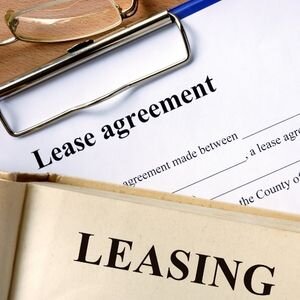
You must understand lease sales when selling Ohio rental properties. You must consider varied lease terms and whether a landlord can break a lease to sell in this phase. Learn Ohio’s landlord-tenant legislation and plan carefully to ensure the property sale meets the law. Doing these steps can help landlords keep renters happy, preserve their rights, and sell their home.
Handling Different Lease Term Scenarios
In Ohio, landlords must comprehend lease term scenarios before selling a rental property. Sales are heavily influenced by Ohio lease agreements. In a fixed-term, month-to-month, or other lease, the landlord’s strategy must match the lease terms. Ohio law protects tenants’ right to stay under fixed-term leases until the contract expires unless parties agree otherwise. To speed up a home sale, landlords cannot ignore the lease.
Monthly leases provide landlords more freedom. According to Ohio lease management, giving tenants 30 days’ notice may be enough to break the lease without violating legal procedures, making the sale process easier. Lease circumstances not addressed by the Ohio Revised Codes should be handled with prudence. Lease termination terms and the tenant’s willingness to negotiate can affect the best course of action.
Provide clear and timely notice, respect renters’ rights, and make lease termination proposals that are appealing and legal. Financial incentives to renters to let go early can make lease terminations more enticing, speeding up the sale process without legal issues. Keep detailed records and interact with tenants to minimize misunderstandings. These lease circumstances must be understood and managed efficiently.
This approach simplifies sales and establishes integrity and fairness among tenants and buyers. The property sale process is less likely to be derailed by disagreements if these events are handled properly in accordance with Ohio law. A lease-specific method helps the landlord sell a tenant-occupied rental property in Ohio.
Can a Landlord Break a Lease to Sell the Property?
Complex Ohio regulations govern whether a landlord can break a lease to sell a property. Selling the property does not allow the landlord to amend or cancel leasing arrangements in Ohio. Tenants are safeguarded, and early lease termination for nonpayment could affect the sale. If a rental property is sold, Ohio landlords must examine the lease conditions and flexibility to cancel early. Some leases enable notice of termination upon selling. This may involve negotiation and approval for some parties. Without a clear termination clause, landlords may offer financial incentives to leave early, which can be helpful.
Property owners should analyze their lease agreements in light of the Ohio Revised Code and consult a lawyer to weigh their choices. Understand and respect tenant rights to avoid legal issues that could delay the transaction. Additionally, communication is key. Landlords should tell tenants they want to sell and find ways to honor the contract and close the sale. This method reduces problems and maintains tenants’ trust and cooperation, which are crucial during property sales.
Ultimately, terminating a lease to sell a property is a big decision. To protect tenant rights and meet landlord goals, it requires careful legal study, creative negotiation, and open communication. In Ohio, landlords can manage tenant-occupied properties without legal issues by following the law and being transparent.
Thinking of selling? We handle the hard work, making it fast, fair, and hassle-free. Contact Us at Cleveland Cash Offers!
Financial Implications of Selling a Tenant-Occupied House in Ohio
In Ohio, you need to know how much the house is worth on the market and what the rent rules are in order to sell it. Tenancy changes the market value, and new laws may change the amount of rent that is collected. If property owners want to get the most money back, these things should be taken into account. These things can help people who are selling their homes sale with the many details that come with it, making sure that the sale goes smoothly, they follow the rules set by the state, and they make more money.
Assessing the Market Value of a Tenant-Occupied Property
Assessing the market value of a tenant-occupied house in Ohio presents a unique set of challenges compared to evaluating a vacant property. One of the financial factors to evaluate is the influence of an existing lease on valuation. A property featuring a long-term tenant secured by a favorable lease can attract buyers looking for consistent income, which may boost the property’s overall market value. On the other hand, leases that do not align with current market rates can diminish the value of the property. When tenants are locked into agreements at below-market rates, potential buyers may view this scenario as a chance for future rent hikes or, conversely, as a constraint on short-term returns, which can impact the offer price.
Assessing similar properties in the Ohio real estate landscape is essential for grasping sales trends and lease agreements that generally influence value. In urban areas experiencing rising real estate values, like Columbus or Cleveland, properties occupied by tenants with attractive rental prices could command elevated market values as demand grows. Moreover, elements such as the state of the property and its geographical setting are crucial considerations. Property owners must ensure that thorough appraisals include assessments of these factors alongside lease terms. This analytical method helps in precisely determining a sale price that truly reflects the financial realities of selling in this specific market segment.
When selling a tenant-occupied property, landlords must demonstrate its income potential. Clear information on current leases, tenant reliability, and rental revenue potential builds buyer trust, decreasing queries and simplifying negotiations. These insights ensure that seller goals match buyer expectations, resulting in a transaction that respects current leases and everyone’s financial interests.
Impact of Rent Control Policies in Major Ohio Cities
The financial effects of rent control policies in Ohio are especially significant when it comes to selling homes that are currently occupied by tenants in major urban areas such as Columbus, Cincinnati, or Cleveland. While Ohio lacks state-wide rent control laws, local regulations may impact the real estate market for both buyers and sellers. Grasping these dynamics is crucial for property owners aiming to sell, as they significantly influence the perceived value and income potential of properties with tenants.
Local governments may regulate rising rents in metropolitan areas when housing demand exceeds supply, which may affect property sales income predictions. This suggests that rent control programs’ effects on rental revenue stability may affect a property’s appeal. Thus, landlords selling in these situations should be prepared to negotiate with purchasers who may limit rent in their assessments.
The approach of a vendor can be significantly influenced by the impact of these policies, particularly in the context of tenant turnover and the process of renegotiating leases. For instance, purchasers may seek concessions or discounts to mitigate perceived risk, which could potentially impact the property’s market value if rent limits are anticipated to impact future earnings. It is imperative for landlords to remain informed about local housing policy votes, as these modifications can rapidly alter the real estate value landscape, thereby affecting the financial results of selling properties with tenants in Ohio.
In the end, taking the initiative to comprehend and adjust to these policies can provide sellers with a distinct advantage. By collaborating with legal advisors to clarify rights and obligations, landlords can strategically align their property sales approaches with the changing policy environment. This approach ensures that the transaction process aligns with buyers’ expectations for stable income while also catering to sellers’ goals of achieving the highest property value, showcasing a well-rounded strategy for navigating the distinct dynamics of Ohio’s real estate market.
Need to sell your home? Sell fast, skip repairs, and enjoy a smooth, hassle-free sale. Cleveland Cash Offers can help. We give fair cash offers, handle the details, and make it easy. Have questions or ready to sell? Call (216) 200-4160 for a no-obligation offer. Get started today!
FAQs:
What Are the Obligations of Landlords in Ohio When Selling a Tenant-occupied Property?
Ohio landlords must follow lease terms and tenant rights when selling property. This includes keeping the lease binding until its expiration unless both parties agree to change it.
How Does the Lease Agreement Affect the Sale of a Property in Ohio?
In Ohio, leases are legally binding even if the land is sold, so tenants can stay in the home until the end of the lease. When selling their homes, owners must tell bidders about any tenants who live there and cannot break leases without a legal reason.
What Notice Should Be Given to Tenants for Property Showings in Ohio?
Tenants in Ohio should be given 24 hours’ notice before property showings or inspections. This protects tenants’ privacy while letting landlords complete sale tasks.
How Can Landlords Manage Tenant Cooperation During a Property Sale?
Effective tenant communication is crucial. Landlords should inform tenants early about the sale, explain showings, and update them throughout. Incentives and remuneration can also boost collaboration.
Do Rent Control Policies Affect Property Sales in Ohio?
Columbus and Cleveland may have tenant-occupied property restrictions, but Ohio has no rent control. These affect property value and buyer appeal.
Helpful Ohio Blog Articles
- Can You Sell a House With a Lien in Ohio
- How to Sell an Inherited House in Ohio
- Can You Sell a House As-Is Without Inspection in Ohio
- Can You Sell a House with a Mortgage in Ohio?
- Selling a House with Mold As-Is in Ohio
- Paperwork and Documents for Selling a House by Owner in Ohio
- Can I Sell a House with a Quitclaim Deed in Ohio?
- Can You Sell House With Tenants in Ohio