

Cleveland Cash Offers is here to help you with selling a house in Ohio with tenants. We’ll help you understand your rights and responsibilities, ensuring a smooth sale while respecting tenant protections under state law.
Understanding Ohio Landlord-Tenant Laws for Selling Property
When selling a property with tenants in Ohio, you’ll need to be familiar with the state’s landlord-tenant laws. This understanding of the rules will allow property owners to make transactions easier and also respect the rights of tenants. The sale is dependent on the applicability of lease contracts and tenants’ rights. By properly managing these areas, you can reduce the chances of legal problems and build a positive relationship with your tenants. This will make the transfer of ownership of the property go more smoothly and with respect.
Key Legal Considerations in Ohio
Selling a rental property in Ohio requires legal know-how. Ohio landlords must comply with its extensive tenant and lease rights legislation. The lease agreement is key when you sell. The lease controls the use of the property during its term. In Ohio, the lease remains binding until it expires unless both parties agree to change it.
If you’re a landlord wanting to sell, remember that your tenants have a right to occupy the property until the lease ends, unless you can make other arrangements. Ohio landlords also need to know about the purchase agreement law. The landlord has to inform prospective buyers of the tenancy and the effect on the transfer of property rights. If landlords aren’t transparent, legal challenges could delay or kill a sale.
To understand how leases protect tenants if the property is sold, it is important to understand Ohio landlord-tenant law. This means following Ohio law to prevent legal trouble in agreements. Generally, Ohio landlords must be careful in preparing their sales procedures. That means honoring the tenant’s significant legal rights and the terms of their lease. These elements should be considered and followed to make the selling process legal, smooth, and beneficial to all parties.
Tenants’ Rights During the Sale Process
When an Ohio rental property is sold, it’s important to understand the renters’ rights. The lease is designed to protect tenants under Ohio landlord-tenant laws. If you rent, it doesn’t matter who owns the property; you can live there the length of the lease. So landlords should give proper notice of changes when a sale occurs without violating these rights.
Ohio Landlords Must Respect Tenant Privacy. Ohio law requires that notice be given before viewings or inspections during the selling process. The 24-hour notice is the norm to allow for tenant privacy and landlord access. The restrictions create fewer legal headaches and incentivize cooperation between landlords and tenants.
Also, the landlords have to abide by the terms of the lease in the sale. The landlord still has to take proper care of the property and follow the lease. That is, telling potential buyers what their ongoing commitments will be to make the transition smooth.
Finally, landlords should also be aware of lease-specific terms that may impact the timing of the sale or the tenant’s move-out when selling a tenant-occupied property. Ohio tenants may agree to negotiate an early eviction in exchange for compensation. These factors must be balanced with market conditions and legal advice to ensure a fair and legal sale, protecting the rights of tenants.
Looking to sell quickly? Sell your home for cash in Ohio today.
Communicating with Tenants About Selling Your House in Ohio
Successfully selling a tenant-occupied property in Ohio depends on proficient communication with tenants. Engaging in discussions regarding sales can be delicate; yet, honesty and candid communication facilitate a seamless process. It is essential to keep tenants informed about property viewings and to adhere to lease agreements. Providing tenants with explicit information fosters a collaborative environment and removes stress for both sides. Proficient management of these interactions not only informs tenants but also safeguards their rights while ensuring a smooth selling process.
Strategies for Effective Communication
The best way to build trust and cooperation is to talk to your Ohio tenants about the sale of your house. First, provide early notice to sell the property on which the tenant is living. The first message is to reassure tenants that their place in the process will be respected.
Be kind and honest; they are sensitive about closing a sale. Manage tenant expectations after the legal issues are resolved. Tell tenants with binding leases that you will treat them fairly and try to minimize disruption to their lives. Be explicit about any modifications to the rental terms and conditions. Walk through the process and answer questions about how it might impact their lease obligations and rights. Talk of a seamless experience.
Tenants can be kept safe with regular updates on sales, showings, and inspections. Less confusion. Tenants can raise issues and questions in discussions. Provide tenants with contact info for questions. Content is King. By ensuring tenants feel their rights under the lease are respected, they are more likely to cooperate during key stages of a home sale in Ohio. This ties in with building goodwill and marketing your Ohio property to homebuyers with renters.
Preparing Tenants for Showings and Open Houses in Ohio
You need a plan for the property showings and open houses, and you need to be deliberate about your interactions with tenants. First, you’ll want to discuss the frequency of showings and scheduling with your tenants, keeping in mind Ohio’s 24-hour notice requirement. This shows concern for their privacy and would ease their concern about intruders in their home. Defining the length of the event and setting tenant expectations would help alleviate their concerns.
Share the benefits of a clean tenant-occupied property and how it benefits both parties in a fast sale. Try to schedule showings around renters’ schedules to minimize interruption to their everyday lives and lease responsibilities. Offering rent reductions or gift cards when selling and showing can motivate renters to participate.
Open house or showing communication can be structured so that tenants collaborate more effectively. Send emails, texts, and phone calls to renters so they get information fast and in the format they like. When things are clear and flexible, tenants feel respected and in charge as they adjust.
Let prospective homeowners know if your Ohio tenant is cooperative. Their positive experience can make an Ohio home more attractive. Respect and organization can get you a quick and smooth sale of your tenant-occupied property.
At Cleveland Cash Offers, we buy homes in Cleveland and nearby areas, making selling fast and hassle-free.
Managing Lease Agreements When Listing a Rental Property for Sale in Ohio
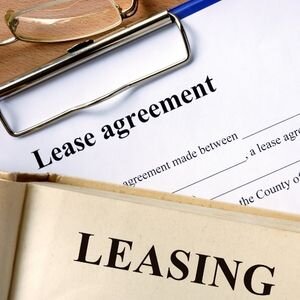
You must understand lease sales when selling Ohio rental properties. You must consider varied lease terms and whether a landlord can break a lease to sell in this phase. Learn Ohio’s landlord-tenant legislation and plan carefully to ensure the property sale meets the law. Doing these steps can help landlords keep renters happy, preserve their rights, and sell their home.
Handling Different Lease Term Scenarios
Ohio landlords should understand the different lease-term scenarios when selling an investment property. The landlord has to follow its sales strategy within the bounds of the lease, whether it’s a fixed-term, month-to-month, or another type of lease. Under Ohio law, absent an agreement to the contrary, tenants generally are entitled to remain in fixed-term leases until the lease expires. Landlords can’t simply break the lease to expedite a home sale.
Monthly leases give landlords more flexibility. Sometimes, tenants break the lease without breaking any legal procedures, which will make the sale process easier, says Ohio lease management. Be careful of lease situations not covered by the Ohio Revised Codes. What is best will depend on the terms of the lease termination and the tenant’s willingness to negotiate.
Provide timely and clear notice, respect your renters’ rights, and offer appealing and legal lease termination options. Providing tenants with financial incentives to vacate early can make lease terminations more attractive, which can help accelerate a sale without legal headaches. Keep good records and communicate with your tenants to avoid any misunderstandings. We must ensure the efficiency of understanding and control of such lease situations.
This method makes the sales easier and creates integrity and fairness between the tenants and the buyers. If handled properly under Ohio law, such events decrease the chances that disputes will derail the process of selling the property. Selling Ohio tenant-occupied rental property using the lease-specific method.
Can a Landlord Break a Lease to Sell the Property?
The Ohio law gets sticky when a landlord terminates a lease to sell the property. When you sell your property in Ohio, you can not change or cancel any lease agreement. Tenants are protected, and the sale can proceed if the lease is broken early for non-payment. Landlords in Ohio should think about the lease terms and what happens if the lease is broken when they sell a rental property. Some leases contain notice requirements for termination on the sale of the property. This will need to be negotiated and approved by some parties. These are useful if there is no clear exit clause and you are offered financial incentives to leave early.
Property owners should review their lease agreements with the Ohio Revised Code and should seek legal counsel for their options. Understand tenant rights and follow procedures so you don’t run into legal issues that can delay the deal. Communication is important. The landlord should tell the tenants that he is selling and try to complete the contract and close the sale. This will prevent problems and maintain the trust and co-operation of the tenants, which is important when selling a property.
Selling a property or breaking a lease is a big decision. Landlords and tenants must learn the law, negotiate creatively, and communicate openly to protect the rights of tenants and achieve the goals of landlords. Ohio law allows landlords to sell or rent a property with tenants in it, as long as they are honest and follow the law.
Thinking of selling? We handle the hard work, making it fast, fair, and hassle-free. Contact Us at Cleveland Cash Offers!
Financial Implications of Selling a Tenant-Occupied House in Ohio
In Ohio, you need to know how much the house is worth on the market and what the rent rules are to sell it. Tenancy changes the market value, and new laws may change the amount of rent that is collected. If property owners want to get the most money back, these things should be taken into account. These things can help people who are selling their homes with the many details that come with it, making sure that the sale goes smoothly, they follow the rules set by the state, and they make more money.
Assessing the Market Value of a Tenant-Occupied Property
There are different challenges involved when assessing a home in Ohio that is rented and occupied by a tenant than when assessing a vacant property. Another financial challenge is the effect of an existing lease on valuation. If you own a rental property with a good tenant who is in it for the long haul and paying a good rate, this can be attractive to buyers looking for a steady stream of income, and thus can prop up the overall market value of the property. On the other hand, leases below market can be detrimental to the property’s value. Buyers might view tenants on below-market rents as an opportunity to increase rents down the line, or a drag on short-term returns that can be factored into the offer price.
Reviewing comparable properties on the Ohio real estate market can help you determine sales trends and the typical lease arrangements that influence value. When demand for a rental property with good rents increases, it becomes more valuable on the market, whichever way the real estate market is appreciating in Columbus, Cleveland, or wherever. Location and condition of the property are other important factors. Appraisers need to be thorough and consider these things, and the lease terms, and property owners should make sure they do. This analysis helps in establishing a realistic sale price relative to the financial realities of selling in this market segment.
Landlords selling property with tenants in situ need to be upfront about the condition of the house, but also the income potential. To build buyer trust and minimize questions and facilitate negotiations, disclose any current leases, tenant reliability, potential rental income, and any known issues (past or present water damage, repairs performed, remediation, etc.) It is particularly important to highlight any water damage, as buyers will want to know how this impacts the value of the property, its insurability, and any future maintenance costs. These insights align the seller’s goals with the buyer’s expectations to create a transaction that respects existing leases, is transparent about property concerns, and supports everyone’s financial interests.
Impact of Rent Control Policies in Major Ohio Cities
The financial impacts of rent control policies can influence the sale of tenant-occupied homes in large urban centers, such as Columbus, Cincinnati, or Cleveland in Ohio. Ohio does not have any rent control laws at the state level, but local laws can impact the real estate markets for buyers and sellers. Selling property? Knowing these dynamics is important because they can have a big impact on the perceived value and income-generating potential of properties with tenants.
If more people want to live in a city than there are homes, and rents start to go up, the city government might start regulating prices. That would impact the income they think they can get from selling property. This implies that the rental income stability effects of rent control programs might influence the property. Landlords who sell in such situations should expect to negotiate with buyers who may place a ceiling on their assessments of rent.”
The effect of these policies could have a strong influence on a vendor’s approach, particularly around tenant attrition and lease renegotiations. For instance, buyers may ask for concessions or discounts to compensate for the perceived risk in the property. This could impact the market value of a property if rent ceilings are expected to affect future earnings. Landlords need to be aware of local housing policy votes, because they can quickly change the landscape of real estate value and affect the bottom line of selling properties with tenants in Ohio.
In the end, those sellers who take the time to learn and adapt to these policies can be rewarded with a competitive advantage.” As the policy landscape evolves, landlords are advised to consult their legal advisers to clarify their rights and obligations and to align their approach to selling property in a strategic manner. The transaction process is a comprehensive approach to address the particular dynamics of the Ohio real estate market and meets buyer expectations of consistent income and seller goals to optimize property value.
Need to sell your home? Sell fast, skip repairs, and enjoy a smooth, hassle-free sale. Cleveland Cash Offers can help. We give fair cash offers, handle the details, and make it easy. Have questions or ready to sell? Call (216) 200-4160 for a no-obligation offer. Get started today!
FAQs:
What Are the Obligations of Landlords in Ohio When Selling a Tenant-occupied Property?
Ohio landlords must follow lease terms and tenant rights when selling property. This includes keeping the lease binding until its expiration unless both parties agree to change it.
How Does the Lease Agreement Affect the Sale of a Property in Ohio?
In Ohio, leases are legally binding even if the land is sold, so tenants can stay in the home until the end of the lease. When selling their homes, owners must tell bidders about any tenants who live there and cannot break leases without a legal reason.
What Notice Should Be Given to Tenants for Property Showings in Ohio?
Tenants in Ohio should be given 24 hours’ notice before property showings or inspections. This protects tenants’ privacy while letting landlords complete sale tasks.
How Can Landlords Manage Tenant Cooperation During a Property Sale?
Effective tenant communication is crucial. Landlords should inform tenants early about the sale, explain showings, and update them throughout the process. Incentives and remuneration can also boost collaboration.
Do Rent Control Policies Affect Property Sales in Ohio?
Columbus and Cleveland may have tenant-occupied property restrictions, but Ohio has no rent control. These affect property value and buyer appeal.
Helpful Ohio Blog Articles
- Can You Sell a House With a Lien in Ohio
- How to Sell an Inherited House in Ohio
- Can You Sell a House As-Is Without Inspection in Ohio
- Can You Sell a House with a Mortgage in Ohio?
- Selling a House with Mold As-Is in Ohio
- Paperwork and Documents for Selling a House by Owner in Ohio
- Can I Sell a House with a Quitclaim Deed in Ohio?
- Can You Sell House With Tenants in Ohio
- Best and Worst Months to Sell a House in Ohio
- Sell A House with Water Damage in Ohio
- Selling A House with Foundation Problems in Ohio
- How to Sell a Fire-Damaged House in Ohio
- How Long Does It Take to Sell a House in Ohio
- What FSBO Really Costs For Ohio Home Sellers