
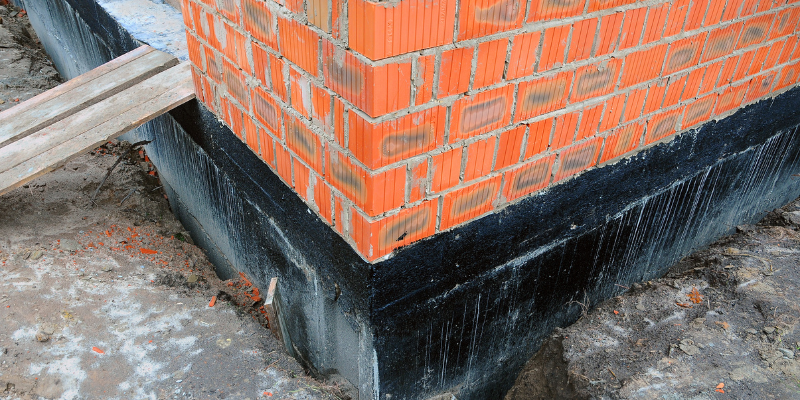
When you see new cracks in the wall of your basement, do you feel sick? You’re not alone. When people in Ohio try to sell their homes every year, a lot of them find out they have foundation problems. The good news is that you don’t have to hide under the covers and hope the problem goes away.
I’ve been buying homes in Ohio for over fifteen years, so I know that foundation problems happen a lot here. It can be hard to build foundations in Ohio because the ground is mostly clay and freezes and thaws a lot. But here’s something most real estate agents won’t tell you right away: problems with the base don’t always mean the sale is over.
Ohio had 44,213 homes listed for sale in July 2026. The average Ohio home value is around $248,803, up 3.4% over the past year. About one in four homes built in the US will go through some form of structural distress at some point. In Ohio that share runs higher, because heavy clay soil and hard winters keep working on a foundation year after year.
Trouble with the foundation when you try to sell your Ohio home
To begin with the truth, buyers are turned off by minor issues, as they should be. Structural problems are very expensive, give a lot of trouble, and aren’t always easy to see. They don’t always mean that you can’t sell your house, though.
This is a bigger issue for people who live in Ohio than for many people who sell things in other states. This is because of the weather, the soil, and the older houses in the area that make foundations shift. From Cuyahoga to Summit and Stark, these issues turn up all over Northeast Ohio. How bad they are and how to fix them depend on where you live.
Three main things in Ohio cause foundations to fail: expanding clay soil, poor drainage, and freeze-thaw cycles. Clay-rich soil soaks up water and grows when it rains, which puts stress on foundations. The same earth shrinks when it’s dry, making holes that let supports settle in different spots. With winters like these in Ohio, water that gets stuck in cracks freezes, grows, and makes the damage worse.
Most of the time, you can sell your house in three ways: fix up any problems before you put it on the market, sell it as-is with all the facts, or sell it directly to a cash buyer who wants to buy broken-down houses.
Common foundation problems in Ohio homes
It’s not all bad that there are problems with the base. Some are just for looks, while others show that the building is very insecure.
Vertical cracks usually come from differential settling, which means one part of the house sinks faster than another. They are the least alarming of the three, though they still let water in. Horizontal cracks worry inspectors the most, because they can mean heavy soil pressure or water buildup behind the wall. Stair-step cracks in brickwork generally mean that the bases of the bricks or blocks are moving.
Some other signs of a foundation problem are doors and windows that won’t open or close, floors that aren’t level, walls and ceilings that don’t seem to be connected, and issues with water in the basement.
Small cracks from settlement might not stop a sale, but big structural problems will almost certainly change the price and the ways to pay for it.
Reports from structural experts on problems with the foundation
It’s a good idea to ask an expert what they think before you decide anything. An engineer can figure out what the issue is, how bad it is, and what needs to be done next without trying to sell services to fix it.
In Ohio, it costs around $400 to $800 for a structural engineering study. For how much it would cost to fix things that don’t need to be fixed or to price your home wrong, this is a small amount of money.
People are also more likely to buy if they have an expert report. It proves you’re telling the truth, gives you proof of price, and makes it less likely that deals will fall through during review points.
The laws in Ohio about foundation problems and disclosure

Ohio law says you have to tell people who might want to buy your home about any problems with the base. If you own a home with one to four units, Ohio Revised Code §5302.30 says you need to give the buyer a completed Residential Property Disclosure Form before the purchase contract is signed, not at closing. This form lists the most important problems with a property, such as damage to the base, flaws in the structure, water damage, roof problems, problems with the mechanical systems, and pest infestations.
The sellers only need to tell you about issues they are aware of. You are not needed by law to hire an inspector or engineer just to fill out the form, but you should list any cracks, basement leaks, doors that won’t open or close, or structural repairs that have been made in the past.
People who try to hide property flaws can face serious legal consequences, including canceled contracts, lawsuits, or disputes even after the sale is completed. In most cases, sellers are better off being honest and fully disclosing any known issues. Being transparent helps protect sellers from potential legal claims while giving buyers a clear understanding of what to expect. This approach can also make it easier to sell your house fast in Ohio, since buyers often feel more confident moving forward when there are no surprises.
How problems with the base can make a house less valuable
When it’s time to sell, foundation problems almost always make the house worth less. The exact amount depends on how bad the problem is, the market, and the paperwork.
If a professional has looked at the problem and written down what they found, small cracks in the wood that are caused by settlement may only lower the value by 5 to 10 percent. Things like basement walls that bow, big settlement issues, or straight cracks can lower the value by 15% to 25% or more.
Depending on how much it will cost to fix and how the buyer sees it, homes in Ohio that have problems with their foundation can lose anywhere from $20,000 to $50,000 in the market value they hope to get.
Also, the neighborhood is important. People who live in good neighborhoods or markets are usually better able to take advantage of these deals than people who live in markets that are moving more slowly. Help with the costs can come from paperwork, engineering reports, and service warranties that can be moved.
Most of the time, having money problems is worse than the price drop. A lot of damage to the building could make it hard or impossible to get conventional, FHA, or VA funds.
Getting it fixed up or selling it as-is
People who want to sell their house have to decide whether to fix problems with the base before putting it on the market or sell it as-is.
Most of the time, it makes sense to fix it if the damage isn’t too bad, it won’t cost much (often less than $5,000), and there are a lot of people who want to sell. It’s also better to buy repairs that come with promises that can be moved to someone else.
If you need to sell fast, fixed up the house costs more than $10,000, or you don’t have a lot of cash on hand, it may be better to sell the house as-is.
Fixing small problems can cost between $500 and $1,500, but making the whole building stable can cost over $25,000. There are many repairs that don’t fully raise the home’s resale value. Because of this, sellers often find that taking a lower “as is” price makes them more money after they pay for repairs, the mortgage, taxes, insurance, and utilities.
Repairs worth making before you sell
If you decide to fix things, fix the things that buyers are really worried about instead of just making them look better.
Small cracks can be fixed for $250 to $800, and they help keep water out and show that the property has been well taken care of. Most of the time, more complicated stabilization or settlement fixes cost between $2,000 and $15,000.
Most people in Ohio choose bowing wall strengthening, which can cost between $4,000 and $12,000. How much it costs varies on how many walls are broken and what kind of repair is done.
Don’t spend too much on upgrades that aren’t needed. Buyers care more about safety, building stability, and keeping water out than about upgrades that make the house look better.
Waterproofing and drainage work before you sell
Cracks in the structure and water getting in often go hand in hand in Ohio. It’s like this because the ground is mostly clay and the weather changes often.
People who want to sell their house should check the drains around it before they do. To do this, you may need to fix the yard’s slope, keep the gutters and drains in good shape, move the drainage lines away from the house, caulk the basement walls, and check that the sump pumps work.
It normally costs between $2,000 and $6,000 to waterproof an inside space. It can cost anywhere from $8,000 to $15,000 or more to protect an outdoor area.
Small changes to the drains can have a big effect on how people feel about the house. Don’t trust a basement that is wet, smells musty, or has spots. A dry basement is much safer.
About how long it will take to fix
It takes time to fix a foundation, so if you want to sell your house soon, you need to act quickly.
Small cracks can be fixed in one to two days, but things need three to five days to be sealed. Bigger building projects, like putting in props, underpinning, or strengthening walls, can take up to two weeks or longer.
The weather in Ohio can make it hard to keep your goals. In the winter, work that needs to be dug up or sealed may have to be put off because the ground is frozen, it rains a lot, or it snows a lot. It may take an extra two to four weeks for clearances and checks to be done in your city or town.
Big problems that aren’t dealt with until after the listing often cause extra worry and delays that aren’t needed.
Transferable foundation repair warranties
Buyers may decide to buy if there are transferable promises.
Depending on the type of work they do, many contractors offer warranties that last anywhere from 10 years to life. Some only guard the set area, while others guard a bigger space.
Once you use promise coverage to sell something, read the terms very carefully. In order to buy something, people will need to know if the guarantee can be transferred, what it doesn’t cover, and if it covers service calls in the future.
It’s not possible to get rid of all foundation worries with a good warranty, but it can make buyers feel better about going forward.
Listing a house with foundation issues
You need a different plan to sell a house with foundation issues if you want to sell it successfully.
The best sellers do not try to hide the problem. Instead, they focus on being prepared and upfront. Start by highlighting the property’s strengths, such as its location, lot size, updated systems, or recent improvements. Then provide foundation evaluations, repair estimates, and engineering reports early in the process so buyers know exactly what they are considering.
Pricing is also critical. If a home with foundation problems is priced too high, it will often sit on the market longer and may require multiple price reductions before attracting serious interest.
It’s also important to understand that foundation issues can lead buyers to back out of a contract. Even after an offer is accepted, buyers may change their minds following inspections or financing reviews if they feel the repair costs or risks are greater than expected. Being transparent from the beginning and providing clear documentation can help reduce surprises and lower the chances of a deal falling through.
In many cases, investors, contractors, landlords, or bargain-focused buyers are the strongest market for these homes because they are often more comfortable taking on repairs and evaluating the property based on its overall potential.
Buyers who pay cash vs. traditional loans
To get normal money when there are issues with the base, it might be tough.
The appraisal might be lower than expected, lenders may want repairs to be made before they give money, and government-backed loans like FHA or VA mortgages have stricter building rules.
Most of these issues can be avoided by paying cash. They don’t have to wait for a loan to say yes, so they can buy homes in any condition more quickly.
The price may be lower than expected. Buyers who take on repairs and risk usually offer less than traditional financed buyers. Still, Cleveland home buyers often focus on fast, hassle-free purchases and can close quickly.
Northeast Ohio’s older housing stock is a big part of why foundation calls come in so often. Sellers looking at cash home buyers in Parma or searching for we buy houses in Lakewood are often dealing with a basement wall that has already moved.

Getting buyers to agree to deals
Most of the time, buyers use problems with the base as a way to get a better deal.
It is common for people to ask for credits, price drops, or seller concessions after inspections. Sellers shouldn’t let their emotions get in the way. Instead, they should use quotes from contractors, engineering reports, and fair fix prices.
Most of the time, it’s better to give a repair credit at closing than to make the repairs yourself. People who buy get to pick the contractor and set the plan. People who buy don’t have to deal with delays.
You can also help close the deal by being flexible about prices, closing times, or other things.
Protection for your insurance
Wear and tear and settlement are two things that most homeowner’s insurance plans don’t cover.
But if the base damage was caused by a quick covered event, like a pipe burst, a plumbing leak, or damage from a storm, it might be covered.
Different insurance companies cover a lot of different things, so buyers should read their policy carefully and write down right away any events that involve water.
If coverage is possible, having good paperwork can make a big difference.
Different ways to sell
If the base damage is so bad that a normal listing won’t work, there may be other ways to sell the house.
People who want to buy things that aren’t in great shape can come to auctions, and the deals can be made quickly. People can quickly sell their homes at wholesale sales for less than the houses’ market value. Rent-to-own deals may be good for buyers who are willing to make repairs over time.
If things go really badly, taking down the building and selling the land might be the only way to make money, especially if the land is worth more than the broken building.
Some homeowners choose to keep their property and rent it out, as long as it remains safe and in livable condition. Cleveland Cash Offers buys houses for cash; contact us today.
FAQs:
How hard is it to sell a house in Ohio that has difficulties with its base?
In Ohio, it might be tough to sell a house with foundation issues, but it is possible. Having fair prices, being honest, and going after the right kind of buyers are the most important things.
When is Ohio’s worst time to sell?
Winter plans and bad weather make December through February the slowest months. But people who pay cash can buy all year.
What is the main reason why a house doesn’t sell?
The biggest problem is still too high prices, especially when sellers don’t adjust their prices to reflect problems that are deeper.
What should I not fix up before I sell?
For now, don’t spend too much on changes that will only make things look better. Fix any big structural issues first. People who want to buy something look at safety and security first.
Last Thoughts
Problems with the base of the house don’t have to make it impossible to sell. It’s not as easy as selling a house that’s ready to move into, but thousands of Ohio homes figure it out every year.
It’s important to make smart decisions based on your plans, funds, and goals. It’s sometimes a good idea to fix things. It can be better for your money to just sell something as is.
In the long run, it will save you time, money, and stress to be honest, set helpful goals, and get good professional help.
You can still sell your house even if it has foundation problems as long as you know your choices and put it in the right place.
Helpful Ohio Blog Articles
- Can You Sell a House With a Lien in Ohio
- How to Sell an Inherited House in Ohio
- Can You Sell a House As-Is Without Inspection in Ohio
- Can You Sell a House with a Mortgage in Ohio?
- Selling a House with Mold As-Is in Ohio
- Paperwork and Documents for Selling a House by Owner in Ohio
- Can I Sell a House with a Quitclaim Deed in Ohio?
- Can You Sell House With Tenants in Ohio
- Best and Worst Months to Sell a House in Ohio
- Sell A House with Water Damage in Ohio
- Selling A House with Foundation Problems in Ohio
- How to Sell a Fire-Damaged House in Ohio
- How Long Does It Take to Sell a House in Ohio
- What FSBO Really Costs For Ohio Home Sellers