
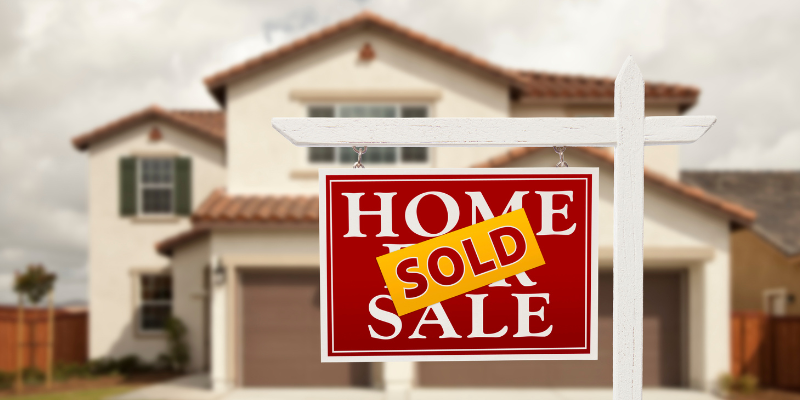
Most sellers figure they’ll list the house, get a few showings, and be done in a month. Things don’t usually go that way. Depending on where you are in Ohio, the time of year, and the condition of your property, the real timeline from listing to closing can stretch much longer than anyone budgeted for, and that gap costs you money every single week. Understanding what affects that timeline can help you plan ahead and avoid costly surprises during the selling process.
Ohio’s Real Estate Timeline: What the Data Actually Shows
So how long are we actually talking? Ohio’s median home price came in around $274,027 as of May 2026, and the median days on market statewide were 43 days. The listing-to-contract window is only part of it, and that sounds manageable. After a buyer goes under contract, you still have the inspection period, the appraisal, and the mortgage underwriting process sitting between you and the closing table. Add those phases together, and the true cradle-to-close timeline is closer to 75-90 days for a traditional sale.
The statewide number hides a lot, too. Cincinnati posted a median days-on-market of 84 days in January 2026, more than double what sellers in Columbus or Shaker Heights are seeing. A seller in Hyde Park and a seller in Akron are dealing with very different realities, even though they’re both in Ohio.
One of the biggest mistakes sellers make is mentally spending their equity the day they sign the listing agreement, before the clock has even started. It’s easy to assume the sale will stay on schedule, but financing delays, inspections, appraisals, title work, or buyer-related issues can all push the closing back. Give yourself more runway than you think you need, because closings slip for reasons that have nothing to do with you.
If waiting 75–90 days doesn’t fit your timeline, accepting a cash offer from Cleveland Cash Offers can significantly shorten the process by eliminating financing, appraisal, and many of the delays that come with a traditional home sale.
How Long Does It Take to Sell a House in Ohio?
The “days on market” figure sounds simple until you put a number on it. In previous years, Columbus Realtors recorded an average of 28 days on market for homes in the Columbus metro, with some Northeast Ohio counties stretching past 55 days during the same period. Two houses, two completely different timelines, both in Ohio, sitting inside the same state average.
Add the post-contract phase, and you understand why many sellers hit that milestone total. A traditional sale that goes under contract on day 30 still needs 30 to 45 more days for inspections, repair negotiations, the appraisal, and the lender to fund the loan. Financing falls through in roughly 10 to 15 percent of pending sales nationally, and when it does in Ohio, the seller often restarts the clock from day one.
Have you thought about what those extra 60 days actually cost you in mortgage payments, utilities, insurance, and property taxes? On a median Ohio home, that’s real money draining out as you wait.
Distressed properties, estate properties, and homes with title issues sit even longer. The probate process alone can add months to the time it takes for a house to be legally ready to sell. Sellers navigating inherited properties in Canton or Youngstown often don’t realize the legal clock is separate from the real estate market clock until both are running at once, leaving them suddenly managing an attorney and a listing agent at the same time.
Cash Buyer vs Traditional Listing: Timeline Differences

The biggest difference between selling to a cash buyer and listing on the open market comes down to time and certainty. One path is built around finding the highest possible offer, while the other is built around removing as many unknowns as possible from the process. Those two goals don’t always overlap, which is where the tradeoff starts.
A traditional Ohio home sale typically takes 30–45 days to go under contract, followed by another 30–45 days for inspections, appraisal, and mortgage underwriting. Even when everything goes smoothly, you’re usually looking at 75–90 days from listing to closing. During that window, the transaction is still vulnerable to financing delays, appraisal gaps, and repair negotiations that can change the terms late in the process.
A cash sale works on a completely different timeline. Ohio cash buyers typically purchase homes without lender approval, appraisal contingencies, or traditional inspection negotiations, allowing many cash transactions to close in as little as 7–14 days. The process is more direct, and once terms are agreed on, there are typically fewer hurdles that can derail the closing at the last minute.
Neither option is “better” in every case; it depends on whether your priority is maximizing sale price or minimizing time and uncertainty. For some sellers, holding out longer for market value makes sense. For others, especially when timing is critical or the property needs work, the predictability of a cash offer carries more weight than stretching for the highest possible number.
What Actually Affects How Fast Your Ohio Home Sells?
Some sellers push back: “The market is hot, so condition shouldn’t matter that much.” That’s backward. A hot market raises the floor for everything. Buyers in a tight inventory environment still have their pick of the best-maintained homes, and they use any visible deferred maintenance as a price hammer.
Pricing is the single biggest lever. A home priced 3% above comparable sales in Old Brooklyn or Clintonville will sit while the correctly-priced house across the street goes under contract. A comparative market analysis conducted by a competent local realtor or an experienced cash buyer who tracks actual sales data shows where buyers are actually buying.
Condition runs a close second. Chipped paint, a dated kitchen, and a water stain on the ceiling all show up in listing photography and immediately push buyers toward the next property. Virtual tours have made this worse: buyers now eliminate homes from their list before ever stepping inside. Your online presentation gets exactly one shot at a first impression.
A property near Ohio State’s campus in Columbus will move differently than a comparable home in Youngstown or Lima, and agents with genuine local expertise know which ZIP codes are seeing real demand versus which ones require patience.
How Ohio Weather and Seasons Affect Home Sales
Geauga County homes are taking about 52 days to sell, a 36.8% increase, while Summit County moves faster and Medina County stretches to around 63 days. That gap between Summit and Medina shows how strongly local conditions across Northeast Ohio affect selling timelines. Inventory levels and shifts in buyer demand throughout the year can further widen those differences, especially during slower seasonal periods.
Winter weather plays a major role. In lake-effect areas near Cleveland, Lorain, and Euclid, buyers in colder months scrutinize roofs, basements, driveways, and heating systems much more closely than they would in warmer seasons. That added caution often turns into longer negotiations or transactions falling apart over issues that would be minor in the summer.
Snow also hurts presentation and logistics. Curb appeal drops sharply under winter conditions, and listings photographed in gray, snowy settings tend to sit longer even when priced well. On top of that, appraisals in rural or snow-affected areas can get delayed, and even a one-week delay can disrupt a buyer’s rate lock and push closing back further.
If you’re looking to avoid delays like extended market time, weather-related setbacks, and financing uncertainty, you can bypass the traditional process entirely by getting a cash offer. Just contact us to receive a fast, no obligation option and close on your timeline.
How Mortgage Rates and Market Activity Impact Your Sale
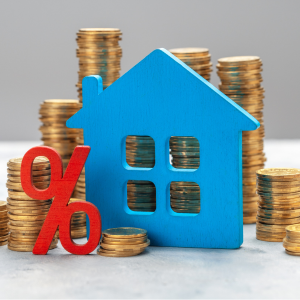
Mortgage interest rates for Ohio buyers have been fluctuating between roughly 6% and 8%, and that range matters more than most sellers realize. When rates move from the low end to the high end of that band, the buyer pool for a $275,000 home in Worthington or Strongsville shrinks fast, the monthly payment climbs by a few hundred dollars, and some buyers simply stop qualifying. A shrinking buyer pool means longer market times and more price concessions.
When mortgage interest climbs above a psychological threshold, the same property that would have sold in a week sits for 45 days. Agents who understand this adjust their pricing strategy proactively rather than chasing the market down with price reductions, keeping the listing from burning through its days-on-market while the seller waits to feel the pain.
For sellers, the lesson is simple: focus on what you can control. Competitive pricing, strong marketing, and presenting the home in its best possible condition become even more important when higher borrowing costs reduce buyer demand. Homes that are realistically priced from the start are more likely to attract serious buyers quickly and avoid the costly cycle of repeated price cuts.
What Is the Best Time to Sell a House in Ohio?
Homebuyers in Ohio often begin mortgage pre-approvals as early as February, months before spring inventory reaches the MLS. Sellers who use the winter months to make repairs, declutter, and prepare their homes are in the best position to list in late April or early May, when buyer demand is climbing, and inventory is still relatively limited. Entering the market at the right time can generate more showings and stronger offers from motivated buyers.
June, July, and August are generally the strongest selling months in Ohio, but June is usually the sweet spot. Families hoping to close before the new school year are actively submitting offers by early June, so homes listed in late May often receive the most competitive interest. By August, much of that buyer pool has already committed elsewhere, making it harder to create the same level of competition.
If your situation allows any flexibility, avoid listing in January, when homes typically stay on the market longer and often sell for less. Waiting until spring can improve your chances of a quicker sale with fewer concessions. It also helps to list on a Thursday, giving buyers the opportunity to schedule weekend showings when traffic is highest, and your home is most likely to receive maximum exposure.
How to Sell Your Ohio Home Fast and for More Money

Sit down across from us at your kitchen table, and here’s what we’d say: price it right on day one, fix the two or three things buyers are going to ask about anyway, and get real photos taken before it hits the MLS. These simple steps create a stronger first impression and can help your home attract more serious buyers, including investor home buyers in Cleveland and other Ohio cities, from the start.
Pricing is not the place for ambition. Sellers who price high “to leave room for negotiation” end up chasing the market down with reductions, and every reduction signals weakness to buyers. Pricing at or just under market value generates competition, and competition drives final sale prices up. A realistic asking price also increases the chances of receiving strong offers within the first few weeks on the market.
Professional photography is not optional in 2026. Buyers filter online listings in under five seconds. A well-lit photo of the living room in a Mount Lookout bungalow or a Lakewood craftsman keeps a buyer clicking; a dark, cluttered photo sends them to the next listing. High-quality images encourage more showings, giving your home a better chance of selling quickly.
Don’t neglect curb appeal. A fresh coat of paint on the front door, clean landscaping, and a pressure-washed driveway have outsized returns relative to their cost. Many buyers form an opinion before they even walk inside, making exterior presentation just as important as the interior.
In the end, selling a house in Ohio rarely follows the simple timeline most sellers expect. While some homes can move in a few weeks, the full process from listing to closing typically runs closer to 75–90 days once inspections, appraisal, and financing are factored in, and that timeline can stretch even longer depending on pricing, condition, and local market conditions. Planning for a longer, more realistic window helps avoid surprises and gives you more control over your next move, especially since unexpected delays can still come up even when everything seems on track.
Frequently Asked Questions
What Is the Best Month to Sell a House in Ohio?
June is widely considered the best month to sell a house in Ohio for higher profits and fewer days on market. Buyers who want to close before the school year starts are the most motivated during this window, and inventory tends to thin out just as buyer demand peaks. If you can list in late May and be ready for showings by the first week of June, you’re in the best position to attract competitive offers.
How Much Tax Do You Pay When You Sell a House in Ohio?
Ohio does not have a state-level real estate transfer tax, unlike some other states, but sellers should expect to pay local conveyance fees, which vary by county. If the home was your primary residence for at least two of the last five years, federal capital gains exclusions of up to $250,000 (single filer) or $500,000 (married filing jointly) may apply and shield most or all of your gain from federal taxes. Talking to a CPA before you close is the right move, especially for inherited properties or investment homes.
What Should I Avoid Doing Before Selling My House in Ohio?
Skip the major renovation projects that won’t return their full cost at closing. Remodeled kitchens and bathrooms rarely recoup 100% of what you put into them at Ohio’s mid-range price points, and they eat into the time you may not have. Also, avoid pricing above recent comparable sales under the assumption you’ll negotiate down; overpriced homes go stale fast, and buyers treat multiple price cuts as a warning sign. Fix the obvious maintenance issues, clean aggressively, and price it right.
If you’re weighing your options in Ohio and want a straight answer about what your house is worth and how fast you could close, Cleveland Cash Offers is here. No pressure, no obligation. You can reach out to us at (216) 200-4160 whenever you’re ready, and the conversation won’t cost you a thing. We’ll walk you through your options so you can make the decision that works best for your situation and timeline.
Helpful Ohio Blog Articles
- Can You Sell a House With a Lien in Ohio
- How to Sell an Inherited House in Ohio
- Can You Sell a House As-Is Without Inspection in Ohio
- Can You Sell a House with a Mortgage in Ohio?
- Selling a House with Mold As-Is in Ohio
- Paperwork and Documents for Selling a House by Owner in Ohio
- Can I Sell a House with a Quitclaim Deed in Ohio?
- Can You Sell House With Tenants in Ohio
- Best and Worst Months to Sell a House in Ohio
- Sell A House with Water Damage in Ohio
- Selling A House with Foundation Problems in Ohio
- How to Sell a Fire-Damaged House in Ohio
- How Long Does It Take to Sell a House in Ohio
- What FSBO Really Costs For Ohio Home Sellers