

You buy a home in Cleveland and, a few months later, uncover a severe problem, such as a leaking foundation that the seller never disclosed. You’re now staring at thousands of dollars’ worth of repairs and wondering whether the seller is liable.
Many purchasers find that it happens more often than they might expect, particularly in Cleveland’s fast-paced property market. I’ve been working on houses throughout the area for years and have seen everything from concealed water damage and electrical systems not functioning properly to structural and HVAC issues. Knowing when a seller can be held accountable after closing will help you protect your rights and avoid unexpected surprises.
When Sellers Must Disclose Known Property Issues Before Closing Day
Buyers can inspect the property before closing, but Ohio law requires sellers to disclose any known material defects. Ohio Revised Code Section 5302.30 requires sellers to disclose in writing any concerns that could affect the value, safety or desirability of the property. Typical problems include foundation issues, roof leaks, water intrusion, plumbing failures and electrical issues.
The essential question is whether the seller knew of the problem before the sale. Most buyers depend on the Ohio Residential Property Disclosure Form. However, proof of previous knowledge could be in the form of repair estimates, insurance claims, contractor invoices, emails or previous repair work. If a seller knows of something but fails to disclose it or makes false disclosures, he or she can be liable for damages. Real estate agents are required to report known problems, and they can be professionally sanctioned if they fail to do so.
How Purchase Agreements Define Post-closing Repair Responsibilities
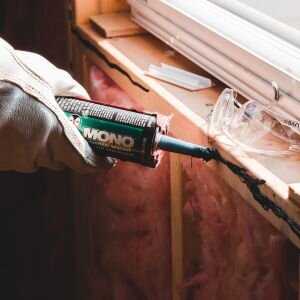
Unless the purchase agreement provides otherwise, in most Ohio real estate transactions, sellers are not responsible for repairs after closing. Many contracts include a merger clause stating that the written contract is the entire agreement between the buyer and seller and is not subject to any other agreements, whether written or oral.
You often see “as-is” sales, meaning the buyer takes the property in its present state. However, an as-is condition does not eliminate a seller’s need to disclose known substantial faults. But sellers can be liable if they knowingly conceal or misrepresent concerns before the sale.
Some contracts include post-closing guarantees or repair provisions that extend a seller’s obligations for a limited time after closing. Buyers should carefully review the contract terms and note any agreed-upon repairs, warranties or contractor requirements before closing the deal.
Warranty Deed Protections and Seller Liability for Undisclosed Problems
Warranty deeds are powerful because they guarantee a clear title and protect buyers from disputes over ownership, liens, or other title defects. Most home sales also employ warranty deeds and title insurance offers further protection against problems such as unpaid taxes, concealed easements or fraudulent transfers. But title insurance doesn’t cover physical problems, such as foundation, plumbing or electrical problems.
Some sellers also provide limited warranties on major systems such as HVAC, plumbing or electrical components for a certain period following closing. Buyers can also purchase house warranties that help cover the cost of repairs or replacements for outdated systems and appliances.
Keep all closing documents, including the warranty deed, title insurance policy, inspection reports and any seller warranties, in a safe place. These records can be vital for resolving disputes or title issues that arise after the transaction is closed.
State Laws Governing Seller Obligations After Real Estate Closing
Ohio law compels sellers to disclose material flaws of which they are aware that could impair the value, safety or desirability of a property. While Ohio subscribes to the “buyer beware” doctrine, sellers are nonetheless accountable for failing to disclose known defects, including structural damage, water penetration, environmental risks, or lead-based paint in homes built before 1978.
Statute of Limitations, as a general rule, the statute of limitations for most fraud and breach-of-contract claims is six years. The statute normally begins to run when the fault is found, not when the property is purchased. This discovery rule protects purchasers from hidden problems that could not reasonably have been discovered prior to closing.
Sellers are required to disclose not only the normal disclosure forms, but also any material information that is within their knowledge that may affect the value or use of the property. Buyers should complete their due diligence and inspections and retain records of disclosures/communications in the event of problems after closing.
Understanding Post-closing Seller Responsibilities in Real Estate Transactions
Typically, after the closing papers are signed and ownership is transferred, responsibility for the property’s condition falls on the buyer. However, there are exceptions to this rule, such as fraud, deception or undiscovered faults, particularly if the seller knowingly omitted important factors that would have swayed the buyer’s decision.
In addition, the sellers may have ongoing obligations after closing, such as contractual warranties (e.g., a 90-day heating system warranty). The commitments are binding even after the purchase, and sellers can be sued even if they move out of state. The buyer must show that the fault existed at the time of closing, that the seller knew of the problem and failed to disclose it, and that the claim is not barred by the statute of limitations.
The finger of blame may also be pointed at real estate brokers or contractors who knew about the defects or helped to conceal them. So the better the transparency and the better the paperwork, the better, particularly in quick markets when buyers jump to conclusions.
Key Factors That Determine Seller Repair Obligations After Property Transfer
Whether the seller is still liable after closing depends on several things. The question is, did the seller KNOW about a defect and NOT disclose it? Ohio law requires a buyer to show that a reasonable seller would have known about the defect and that the problem was serious enough to affect the purchase decision.
Timing is also important. Pre-existing issues are more likely to be detected closer to closing, while those arising considerably later are more difficult to connect to seller knowledge. Some issues, such as foundation deterioration or roof leaks, may be present long before they become visible, which might confound the study.
The contract of purchase is important. Courts tend to strictly enforce contract language, and as-is clauses, warranties and disclosure requirements can greatly increase or contract liability post-closing. The severity of the defect also counts. The more likely basis for a legal action is serious structural and safety problems rather than minor cosmetic problems.
Seller expertise is typically the deciding factor. Records, contractor bills, insurance claims, emails, texts or even social media posts might help prove knowledge. Repeated repairs or frequent insurance claims may be signs of existing problems that should have been revealed.
Common Property Defects That May Surface After Transaction Completion

Older Cleveland homes often have foundation, plumbing, electrical, roof, HVAC, and sewage issues due to aging infrastructure, soil conditions, and extreme weather. It’s a problem if you have clay soil that expands and contracts with precipitation and freeze-thaw cycles, causing foundation cracking, settling, and water infiltration, which may not be apparent during inspections. Many of these issues are slow-burning and aren’t evident until after move-in.
Plumbing and sewer issues are also common, especially in homes with older galvanized pipes or clay sewer lines. Internally, these systems might fail, resulting in low water pressure, unnoticed leaks, backups or drain difficulties. Tree root penetration and decades-old materials are the root causes of many failures, which are difficult to detect during a short inspection.
Older homes may have electrical and HVAC systems that look fine but still have concerns. Old wiring can provide safety issues, such as knob-and-tube systems in homes built before 1930, overloaded circuits and hidden code violations. HVAC systems may not operate properly during routine use, with issues with the furnace, air conditioner, ductwork or airflow not being detected until after occupancy, particularly during harsh weather.
Roof issues are another worry. Missing shingles, flashing issues and gutter damage may not leak in dry conditions but can fail in heavy rain, wind, ice dams or quick temperature changes. Many of these problems involve age, neglected maintenance and the tough weather conditions in Cleveland; therefore, they are impossible to completely uncover before closing.
Title Insurance Coverage for Post-closing Property Issues and Defects
Title insurance protects you against faults in ownership and title, but not against physical problems with the property. Typically, it addresses issues such as forged deeds, unknown heirs, delinquent taxes, registration errors and other concerns that could compromise legal ownership. Title insurance protects you if somebody claims ownership of your property after closing or if a lien emerges.
Owner’s title insurance is optional but highly recommended as it protects your equity investment, while a lender’s policy only protects the mortgage lender. It’s a one-time fee that typically ranges from $300 to $800 in Cleveland, depending on the property’s value, and lasts as long as you own the home. Depending on the coverage amount, some plans also cover survey issues such as boundary disputes or encroachments.
But title insurance won’t cover physical faults in the property, including foundation concerns, plumbing leaks, roof damage or HVAC problems. These are more matters of inspection and disclosure than ownership. Environmental dangers and zoning problems are standard exclusions; increased policies can provide more extensive coverage.
Documentation Requirements for Proving Seller Knowledge of Defects
The vendor must have had sufficient knowledge to demonstrate that they knew, or should have known, about an issue. This is considered the seller’s proof of knowledge. Ohio courts rely on both direct and indirect evidence. There is circumstantial evidence of constructive knowledge when the defects are obvious or long-standing.
Important information could include repair estimates, contractor bills or work orders issued before the transaction. This could prove that the seller knew about difficulties, such as foundation issues or nonworking systems, before the property was listed, creating a paper trail that is hard to deny.
Insurance claims and the records of claims adjusters can be strong evidence of seller awareness, especially in cases of water or storm damage or recurring problems dating back years. Additional proof of support can include emails, messages or other communications with contractors, neighbors or insurers; municipal records, such as permits or code violations; or utility records that reveal ongoing service problems.
Legal Remedies Available When Sellers Fail to Disclose Major Problems
When sellers fail to disclose known problems, consumers have many remedies. The most prevalent is monetary damages, which may include the cost of repairs, interim lodging and any connected or consequential losses, such as damaged personal property under Ohio law.
A demand letter from an attorney can often resolve a problem before litigation begins. The letter details the issue, explains why you’re responsible, and seeks a solution, such as a repair or a monetary amount, frequently pushing for an out-of-court settlement.
In more egregious circumstances, rescission may be warranted. This cancels the deal, and the property is returned to the seller as compensation for the purchase price. This is rare and usually reserved for extreme faults or fraud. Buyers may also have breach-of-contract claims if promises were broken, fraud claims for willful concealment, or consumer protection claims under Ohio’s Consumer Sales Practices Act, which may provide for attorney’s fees and additional damages.
Mediation and Arbitration Options for Post-closing Repair Disputes

Most purchase agreements contain a dispute-resolution clause that must be followed before filing a lawsuit in court. These alternative conflict-resolution options are generally more expedient and less costly than litigation, and Ohio courts generally enforce mandatory arbitration provisions in real estate contracts.
Mediation is a process in which a neutral third party helps the parties negotiate an agreement. The mediator doesn’t make the decision but helps create a discussion that can lead to flexible solutions, such as dividing the repair expenses or having the seller contribute to them. Mediation is generally less formal and less costly, with fees ranging from $200 to $500 per session.
Arbitration is a more formal process in which an arbitrator hears evidence from each side and renders a final decision. Typically faster than court, but can run $2,000 to $10,000, depending on complexity. Unlike mediation, arbitration rulings are normally final and non-appealable except under very narrow conditions such as fraud or misconduct.
Before waiving their right to a court trial, buyers should be aware of the limitations of arbitration provisions. Some real estate also provides industry-specific mediation services that may be more appropriate for settling real estate problems than generic programs.
Expert Legal Advice for Navigating Complex Post-closing Property Claims
If issues arise after closing, real estate attorneys are experts in property law and may review your choices. A real estate attorney might be helpful in cases involving housing problems. A local real estate attorney, qualified and experienced in housing and building defects, can assist you in understanding your rights and preparing an appropriate demand letter. Cleveland-area attorneys who are familiar with local construction methods and typical problems with property might provide more tailored counsel than general practitioners.
If major problems develop, do not delay in getting an attorney. If you uncover problems with your home after closing, you need to act promptly, as the seller’s liability is limited by time. The statute of limitations is a law that sets a hard date for when you can file your claim in court. Ohio has similar time limits. Ohio’s statute of limitations for fraud claims is six years from the time the faults are identified, but the longer you wait to pursue allegations, the weaker your standing will be.
Does the seller have to pay for any repairs after closing? It depends on the contract, the disclosures, and whether there were any hidden flaws or misrepresentations. Otherwise, the obligation passes to the buyer upon closing of the sale, except in cases of fraud, deception or breach of guarantee.
If you want a speedier, hassle-free solution, then Cleveland Cash Offers can help. Moving fast? Moving away? Sell your house as-is, with no need to worry about repairs, showings or listing delays.
Contact us immediately to discuss your options for a smoother, stress-free selling experience.
Helpful Cleveland Blog Articles
- Selling a Home That Needs Repairs in Cleveland, Ohio
- Sell My House During a Divorce in Cleveland, Ohio
- How to Sell a House in Foreclosure in Cleveland, OH
- How to Sell a House Without a Realtor in Cleveland, OH
- How to Sell a House in Probate in Cleveland, OH
- Can I Sell My Parents’ House With Power of Attorney
- How to Sell a House and Move Out of State
- Is the Seller Responsible for Any Repairs After Closing
- Selling a House in a Trust After Death
- How to Sell a House While Living in It