

If you need to sell a hoarder house in Ohio, it may feel overwhelming, but it doesn’t need to be. If you have closed on a hoarder house, inherited a messy house, or have a messy house but the cleaning is just too tall an order, you don’t need to clean up a thing before you sell. In this guide, you’ll learn how to sell a hoarder house in Ohio, how to sell as-is, how to get cash quickly with Cleveland Cash Offers, and how to sell a hoarder house without the cleaning so you can make money fast and get on with your life.
Understanding Ohio Real Estate Laws for Hoarder Property Sales
Ohio doesn’t have laws in place to deal with hoarding specific to real estate, but there are some laws that inform how you sell a house that may impact you, and may help you when you decide to sell. Many property issues fall under the caveat emptor (buyer beware) law, but you have to tell potential buyers about any material issues that you know about that impact the value and/or safety of the property. With a hoarding property, this can include structural issues due to weight, pest problems, mold, and hazardous materials. Per Ohio Revised Code Section 5302.30, sellers need to fill out a property disclosure form, and withholding disclosure of known issues can have legal repercussions.
The good thing about this is you don’t have to remediate any of these issues. You just cannot be dishonest about any of these problems. For example, if you know about pest damage, be up front about it. It is advisable to document hidden damages of this nature, as it helps sell a hoarder’s house. This legal protection and documentation help sell the house to buyers who know about these problems and choose to buy regardless.
Safety Assessments and Structural Inspections for Hoarder Properties

Before judgments are made on a hoarder’s home, safety comes first. The large amount of collected possessions will put stress on floor joists, load-bearing walls, and the home’s foundation. This is even more dangerous for the 1920s and 1930s Cleveland homes. Ohio does not have a requirement for a buyer to obtain a structural inspection; however, a buyer who is concerned with safety will request one. Cash buyers typically pay for the inspection. If the home is being sold as is, the inspection report findings and concerns will be the baseline for negotiations.
Environmental concerns are also an important factor to consider. The collection of possessions will also lead to poor ventilation and, subsequently, more mold. This will also lead to a larger health hazard because of the collection of vermin, which poses a high risk to health. This can also be a concern regarding where a biohazard is collected around the home, thus requiring an Ohio EPA-compliant cleanup. This will also lead to larger difficulties for selling a home, because of the longer time it will take to sell a home, and the specialized buyers needed. Even standard Cleveland homes can take longer to sell compared to hoarder homes sold to cash buyers.
Environmental Hazards and Remediation in Hoarder Property Sales
Environmental problems in hoarder houses, before they became condemned properties, exceeded just having a lot of stuff. Mold thrives in humid climates like Ohio’s, especially in places with poor ventilation and where moisture gets trapped, such as areas of Greater Cleveland. If the mold is too bad, the Ohio EPA might need to get involved, and the seller would have to hire a professional, but there is no obligation for the seller to take care of the problem before selling the house. Investors and cash buyers who purchase and renovate distressed houses would take all of these costs into consideration when making the following offer.
There is also the challenge of pest problems. Hoarder properties often harbor pests, including insects and rodents. Pests in people’s homes can be health hazards, according to the Ohio Department of Health. These homes pose serious health risks and contribute to poor air quality. These problems do not stop the sale of the house; it actually just means that the seller needs to sell the house to people who know what work needs to be done to the house and have the resources to do that work.
Cost-Benefit Analysis of Renovating vs Selling As-is in Ohio
Fixing up a hoarder house in Ohio will always be pricier than what the average homeowner expects. Appliances and repairs pile up the expenses. Hoarder house owners also have to pay for utilities, insurance, and property taxes. Hoarder house owners also have to deal with long timelines and labor shortages, which, in Cleveland and Columbus, can trigger weeks to months-long renovations.
Cash buyers often make for the more practical option, and selling as-is takes no renovation costs or time. Closing takes only two to four weeks. When selling as-is and renovation costs are compared, the difference in earnings is often way lower than expected. Ohio has lots of buyers who want to purchase lots of properties, and this demand persists even in distressed conditions.
Determining Fair Market Value for Distressed Hoarder Homes in Ohio
As you might expect, Hoarder houses are more expensive to renovate than the average house on the market. Repairs and plentiful appliances add to the high value of the house. Owners are liable for utilities, insurance, and taxes, as with all homeowners. However, the labor shortages and extent of repairs may lengthen your payment period to weeks or months. This is especially the case in places like Cleveland and Columbus.
Cash buyers are often the more practical option when selling a house with fire damage, since they require far less effort and offer a much faster path to closing. Instead of spending months coordinating repairs, permits, and contractor schedules, sellers can usually move forward with the property as-is. How quickly do cash buyers finish? Most cash sales close in under four weeks, which is significantly faster than the months a full renovation may take. This is true for many homeowners in Ohio as well. Because fire-damaged properties are considered distressed assets, most buyers in this market are experienced investors who account for repair costs, cleanup, and restoration risks when making their offers.
Legal Disclosure Requirements for Selling Hoarder Houses in Ohio
In Ohio, sellers must fill out a Residential Property Disclosure Form. It requires an explanation of known defects of a home, including, but not limited to, various forms of structural damage, pest infestations, mold, and environmental hazards. Sellers only disclose what they know. Ohio law allows the seller to print “unknown” next to a question of condition they do not know about. However, they must disclose apparent defects. Estate sale transactions are less stringent, as the heir may have less actual knowledge of the home.
There are certain types of transactions that limit disclosure obligations. Some examples include cash sales, as-is sales, and sales to investors. Generally, buyers in these situations are expected to do their own due diligence. Sellers who work with investors who buy for cash tend to have an even less complicated process. These companies are familiar with situations that may raise the red flag of home hoarding and are unlikely to pursue the seller regarding any matters that are not disclosed.
Working with Real Estate Agents Experienced in Distressed Property Sales
Hoarded properties require specialized knowledge most real estate agents simply don’t possess, as most agents focus on cosmetic improvements designed to attract ready buyers. Agents who work in distressed properties possess better expertise as they understand the intricacies of the investor market and as-is valuations, and they have direct relationships with cash buyers and contractors. If working with an agent, you should choose someone who has the most recent deal working experience with hoarder houses in your Ohio market.
It’s important to note that most of the traditional Multiple Listing Service (MLS) listings for hoarder houses result in selling after prolonged periods on the market and commissions on a selling price drastically less than market value. Direct selling to a cash buyer would, in most instances, result in a greater net. The direct selling cost/profit target ratio is less than the time cost. In most cases, the net from a cash sale outweighs the cost of carrying the property through a lengthy renovation and traditional listing. The surety of catering a cash offer is greater than the extended market.
Marketing Strategies for Selling Distressed Hoarder Properties

Marketing a property with hoarder conditions requires knowing your clientele. Usually, your only clientele includes cash investors. These types of investors have a clearer picture of renovation costs and are willing to buy properties in a damaged condition. Their target properties align closely with hoarder properties. Thus, simply seeking cash investors will not deliver the results you want. Narrow it down to the investors in the real estate investment associations in Cleveland, Columbus, and the other cities in Ohio. They especially prefer off-market opportunities.
Trying to reach cash buyers through various platforms, such as Facebook groups and other real estate investment forums online, is also a good option. Lastly, wholesalers serve to connect the cash buyers and the existing sellers. They are the only option where the sellers do not make any cash in the deal, as the wholesalers charge a fee. In contrast, the companies that specialize in hoarder properties are the preferred option. Prospective cash buyers begin to make offers on the property in a matter of days. Traditional methods will take weeks.
Cash Buyers vs Traditional Financing for Ohio Hoarder House Sales
Traditional financing never works for hoarder houses. Most lenders, including FHA, won’t finance if a property is not up to a certain level of habitability, requiring sellers to vacate their hoarder houses before financing. The drawbacks of renovation loan programs like 203(k) are their prolonged evaluation periods, which most sellers cannot postpone. Cash buyers remove all these issues, closing a property in 2-4 weeks without financing contingencies, appraisals, or a seller vacating the property.
Due to the fact that Cleveland is among the best-performing metros for real estate investing returns, the demand for a company that buys homes in Cleveland or nearby cities is guaranteed. Cash offers will nearly always be lower than financed sale prices as a result of closing quicker, as opposed to carrying costs and repair obligations that the seller is expected to pay, resulting in sellers having higher net proceeds.
Timeline Expectations for Selling Hoarder Properties in Ohio Markets
Knowing what to expect before you sell can save you from unnecessary stress and help you plan your next move. Hoarder property sales vary widely in timeline depending on the method you choose, and the differences can be significant.
| Selling Method | Estimated Timeline | Key Considerations |
| Traditional MLS Listing | 90–180 days | Includes preparation, marketing, buyer financing, inspections, and potential renegotiations |
| Estate Sale or Extensive Cleanup | Add 30–90 days | Cleanup crews in Ohio are often booked weeks out; work itself takes 1–3 weeks depending on severity |
| Cash Sale to Specialized Buyer | 2–4 weeks | Cleanup crews in Ohio are often booked weeks out; work itself takes 1–3 weeks, depending on severity |
| Inherited Property (Probate) | 6–12 months | Ohio probate can take 6–12 months, though properties can often be marketed during this period with court approval |
| Seasonal Factors | Varies | Spring and summer are ideal; cash buyers remain active year-round, regardless of season |
The right timeline for you depends on your priorities, whether that’s speed, certainty, or maximizing your sale price. For most hoarder property owners in Ohio, a cash sale offers the fastest and most predictable path forward, without the waiting, prep work, or uncertainty that comes with traditional listings.
Negotiating with Buyers for Ohio Hoarder Property Transactions
When hoarder properties go on the market, the sale revolves less around price and more around the terms, timeline, and associated risk. Usually, cash offers are more detailed, as cash home buyers in Ohio or surrounding cities provide estimates for the total cost of extensive renovations. This cost, while appearing to be on the lower side, accounts for risks that traditional buyers typically want the seller to handle first. Inspection periods are acknowledged to be longer, and repair negotiations are hardly present, as buyers intend to purchase the property as-is.
Most negotiations are seen on closing timeline flexibility and the treatment of personal property. Some buyers may prefer closing to be later, for example, to set up their renovation teams, while the opposite may be the case for others. Some buyers may believe the burden of clearing the property of personal contents rests with them, while the expectation for others may be removal before closing. These points, if clarified, may alleviate confusion and keep the sale on schedule.
Closing Process Challenges Unique to Ohio Hoarder Property Sales
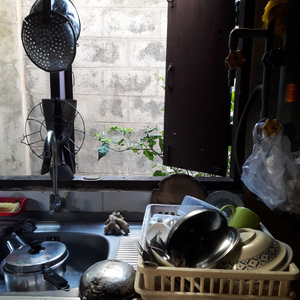
Hoarder property closings can be very challenging compared to standard closings. Several hurdles may explain why some title companies hesitate to work on big hoarder property transactions. Title companies confirm property taxes and liens are cleared and ensure ownership is undisputed. Eyesores and hoarder properties can have additional challenges, such as undisputed utility bills and code violations. Properties can also be challenging to access for final walk-throughs and closings due to safety issues or limited access.
Utility transfer issues become very complicated with shut-off or paid balances. Ohio’s utility companies may have a shut-off policy for utility transfers; thus, shifts from an old account to a new account may also entail a transfer.
Cash closings are much simpler than closings with lenders. Additionally, hoarder properties are free of vendor agreements, and title companies with an acute understanding of investor transactions can address the needs of hoarder properties in closing efficiently.
FAQs
How Do You Sell a Hoarding House?
The first step when selling a hoarder’s house is making the choice to sell the house in its current state or to clean it out. You can hire a professional to clean it out, do it yourself, or sell to cash buyers who will take care of everything. Selling as-is to a company like Cleveland Cash Offers is often the fastest and easiest choice.
Do You Have to Pay Capital Gains Tax When Selling Your House in Ohio?
Ohio does not have state capital gains taxes, though there may be some federal due taxes for certain individuals. If it is your primary residence and you have lived there for two of the last five years, you can exclude up to $250,000 of gains, $500,000 if married. If you abided by the gains taxes on an inherited property, you gain a stepped-up basis, which also eliminates taxes.
What Devalues a House the Most?
The biggest offenders for valuing homes are extreme hoarding conditions, structural damage, and environmental risks such as mold and major system failure. In Ohio’s market, these conditions can reduce valuation by 40-60%. The exact loss depends on location, severity, and how many local buyers are interested in taking on renovation projects.
What Is the Hardest Month to Sell a House?
In Ohio, you will usually find the most difficult months for selling properties to be December and January due to the weather and holidays. Nevertheless, you will find that selling properties to cash buyers is not as impacted by the season’s changes as other, more traditional retail selling methods.
Selling a hoarder house in Ohio doesn’t have to consume months of your life or drain your savings account. The key lies in understanding your options and choosing the approach that matches your timeline, financial situation, and stress tolerance. If you need to sell quickly, avoid costly repairs, or prefer a hassle-free sale, Cleveland Cash Offers is here to help. We offer fair cash offers, handle all the details, and make the process seamless. Contact us at (216) 200-4160 for a no-obligation offer and get started today.
Helpful Ohio Blog Articles
- Can You Sell a House With a Lien in Ohio
- How to Sell an Inherited House in Ohio
- Can You Sell a House As-Is Without Inspection in Ohio
- Can You Sell a House with a Mortgage in Ohio?
- Selling a House with Mold As-Is in Ohio
- Paperwork and Documents for Selling a House by Owner in Ohio
- Can I Sell a House with a Quitclaim Deed in Ohio?
- Can You Sell House With Tenants in Ohio
- Best and Worst Months to Sell a House in Ohio
- Sell A House with Water Damage in Ohio
- Selling A House with Foundation Problems in Ohio
- How to Sell a Fire-Damaged House in Ohio
- How Long Does It Take to Sell a House in Ohio
- What FSBO Really Costs For Ohio Home Sellers