

A seller in Parma called me on a Thursday afternoon, genuinely confused. Her buyer’s lender had just flagged three items from the appraisal report, and her agent told her she had to fix them before closing or the deal was dead. She had no idea the home appraisal process could do that. Most people don’t.
Appraisal-required repairs catch Ohio homeowners off guard regularly, and the surprise rarely comes at a convenient time.
Understanding Where Ohio Sellers Stand Right Now

Ohio home prices hit a median of $274,027 in May 2026, up 5.4% from the prior year. Real money sits on the table, and most sellers don’t want a repair dispute to derail a sale that took weeks to negotiate. The median days on market across the state sit at 43 days, so buyers and sellers are both moving under real-time pressure (every week of delay costs someone).
The interesting part for sellers is this: the fact that Ohio’s market is still appreciating doesn’t mean buyers are waiving appraisal conditions. If anything, buyers using FHA loans are more protected than ever, and their lenders will enforce every repair flag the appraiser writes down.
The Tran family contacted me this past fall after their mother had just moved into assisted living in Strongsville. They’d been managing the house remotely, and when a buyer showed up with FHA financing, the appraisal came back with a laundry list: peeling exterior paint, a missing handrail on the back steps, and a water heater that had developed a visible rust leak. The garage held a 1990s riding mower, three decades of garden equipment, and nobody nearby to manage a contractor. We were able to buy the home as-is in about two weeks, which spared the family the logistics of managing repairs from out of state (a genuine relief for remote heirs).
This experience, repeated in different forms across Strongsville, Parma Heights, Middleburg Heights, and other inner-ring Cleveland suburbs, is exactly what this article is here to address. What are these repairs, who pays for them, and what options do you actually have as a seller or buyer at the table?
What Are Appraisal Required Repairs in Ohio?
Appraisal-required repairs are not the same as inspection repairs, and conflating the two is a mistake that costs sellers negotiating leverage. An inspection report belongs to the buyer; it’s their record of everything the inspector found, and the buyer decides what to do with it. An appraisal report is different. It belongs to the lender. When the appraiser hired by the lender flags a condition, the repair isn’t a negotiating chip anymore. It’s a loan condition.
FHA’s minimum property standards come down to three categories, often called the “Three S’s”: Safety, Soundness, and Security. The property must not endanger occupants’ health, must be structurally sound long-term, and must have basic security and livability features.
Appraisal-required repairs exist on a spectrum. Peeling paint on a pre-1978 home is a lead hazard and triggers an automatic repair condition. A worn carpet does not. Normal wear and tear and typical deferred maintenance are not grounds to fail an FHA appraisal; the appraiser may still mention them in the report, but tags them as minor. The distinction matters because sellers sometimes over-repair out of anxiety, spending money on things that wouldn’t have stopped the loan anyway.
An FHA appraisal confirms that the property meets the minimum property standards set by the U.S. Department of Housing and Urban Development (HUD). This oversight applies to every FHA transaction in Ohio, from a $125,000 bungalow in Cleveland’s Old Brooklyn neighborhood to a $400,000 colonial in Westerville.
Can an Appraiser Require Repairs on an Ohio Home?
Some sellers push back on this. “The appraiser works for the buyer,” they say. Not quite. The appraiser is hired by the lender, not the buyer, and the appraiser’s job is to protect the lender’s collateral. That changes the dynamic entirely.
Yes, an appraiser can absolutely require repairs. If the appraiser finds that the home needs repairs, the buyer must negotiate with the seller to have them completed before the loan can proceed, and the purchase and sale agreement stipulates who pays, though the seller is typically responsible.
Appraisers can’t require cosmetic upgrades. The FHA does not require sellers or buyers to fix cosmetic or minor defects that don’t affect the home’s safety, security, or soundness; the appraisal can overlook normal wear-and-tear that isn’t a structural or health concern. So a dated kitchen or scuffed hardwood floors won’t create a mandatory repair condition.
Common discrepancies identified during the appraisal process are correctable, and some issues, like peeling lead-based paint, can be fixed with minimal cost and effort. The appraiser returns after repairs are completed, confirms the work, and the loan moves forward. Most repair conditions get resolved this way.
Sellers often run into problems when required repairs involve major expenses, such as a roof replacement, foundation damage, or a failed septic system. In these cases, the lender won’t approve the loan until the issues are fixed, which can delay or even derail the entire transaction. If you’re looking to sell your house fast in Parma, selling to a cash buyer can help you avoid costly repairs and eliminate financing-related delays.
Legal Standards and Requirements for Home Repairs in Ohio
Skip this part, and you could find yourself personally liable for undisclosed conditions after closing. Ohio follows a disclosure-based system under ORC 5302.30, which requires residential sellers to disclose known material defects on a state-mandated form. Failing to disclose a known structural issue or environmental hazard isn’t just an appraisal problem; it’s a legal exposure that survives the sale (and buyers do come back).
Appraisal repair standards and disclosure obligations overlap but aren’t identical. An appraiser might flag a cracked chimney because it creates a fire hazard, which means the lender makes it a repair condition. Ohio law separately requires the seller to disclose that crack on the property disclosure form regardless of whether a buyer is using financing. Both obligations exist at the same time.
For FHA and VA transactions specifically, if the appraisal notes a health or safety hazard that the seller won’t agree to fix, the lender won’t approve the property, and the FHA usually won’t insure a home that needs major repairs to be livable, such as a structural crack in the foundation.
Ohio sellers sometimes assume that selling “as-is” protects them from repair obligations. It reduces them, but doesn’t eliminate them. An as-is clause means the buyer accepts the property’s current condition, but it doesn’t override lender requirements. If a buyer is financing the purchase, the lender’s appraisal requirements apply regardless of what the contract says. As-is protects you from buyer-initiated repair requests; it doesn’t override HUD’s minimum property standards.
What Repairs Are Required for FHA Loans in Ohio?
FHA appraisal repairs are not a mystery, and sellers who go in knowing the list rarely get surprised.
Older homes in Cincinnati’s historic districts and Cleveland’s established neighborhoods often need updates to meet FHA standards, with common issues including foundation problems, outdated electrical systems, and roof repairs. These aren’t random; they’re exactly what the FHA focuses on because they represent the conditions most likely to harm occupants or destroy property value.
Some of the most common FHA repair triggers in Ohio:
- Lead-based paint on any surface in homes built before 1978. Ohio has a substantial stock of pre-war housing, especially in cities like Toledo, Akron, and Youngstown, where mid-century homes dominate many neighborhoods.
- Roof condition. Missing shingles, visible decking, or active leaks trigger repair conditions.
- Broken windows and doors. Broken windows and doors must be replaced prior to move-in.
- Water heater and HVAC functionality. A non-operational furnace in an Ohio winter is a health hazard, full stop.
- Drainage problems. If necessary, drainage must be reconfigured to direct water away from the house.
- Pest infestation. Any mice, insects, or other pests impacting the home must be exterminated (and that bill falls on someone).
- Safety handrails on staircases with more than three steps.
For 2025, FHA loan limits in Ohio range from $541,287 for single-family homes in standard areas, with higher amounts in more expensive counties. Given that many Ohio properties fall well below that ceiling, FHA financing is extremely common here, so these repair standards come up constantly.
Key Factors That Influence Home Appraisals in Ohio
Sellers often believe the appraiser simply looks up what nearby homes sold for and lands on a number. That’s roughly half the story. The other half is a physical property assessment with full override power over the comps.
A property in Worthington with excellent bones might appraise below a nearly identical home two streets over if the appraiser notes a failing roof, deferred mechanical systems, or drainage concerns near the foundation. Comparable sales establish a ceiling; property condition determines whether the home reaches it.

Appraisers weigh these core factors in Ohio real estate transactions:
- Location and neighborhood trends. A home in Clintonville or Oakwood gets appraised against similar sales in that specific submarket, not the broader metro.
- Gross living area and functional layout. Finished square footage matters, as does whether a basement counts toward livable space.
- Condition rating. Appraisers use a standardized condition scale (C1 through C6), and a C5 or C6 rating (meaning the home needs serious work) triggers mandatory repair conditions on government-backed loans.
- Mechanicals. The age and condition of HVAC systems, plumbing, and electrical wiring directly affect condition ratings.
- Recent updates. A kitchen renovated within the past five years can add real value; a 1960s bathroom with original fixtures often pulls the valuation down.
Do you know your home’s condition rating? Most sellers don’t until the appraisal lands. Asking an experienced local agent or investor to walk the property before listing gives you a preview of what the appraiser will likely flag.
How Roof and Foundation Conditions Affect Ohio Appraisals
Is a 15-year-old Ohio roof automatically a problem? Not necessarily. But a 25-year-old roof with missing shingles, visible decking, or soft spots is almost certainly going to become a loan condition on any FHA, VA, or USDA transaction.
Ohio’s climate is genuinely tough on roofs. Freeze-thaw cycles from November through March in the Cleveland metro, the Akron area, and across northeast Ohio accelerate shingle deterioration faster than you’d see in a warmer state. What looks serviceable from the driveway in August can show active water intrusion when an appraiser gets on a ladder in October.
Foundation conditions are even more serious. The FHA usually won’t insure a home that needs major repairs to be livable, such as a structural crack in the foundation. Ohio’s clay-heavy soil, common across the Columbus basin and into Summit County, expands and contracts with moisture, which puts lateral pressure on basement walls over decades. Horizontal cracks in a block foundation are a structural red flag. Stair-step cracks in mortar joints in a brick foundation are worth watching. Either one showing up in an appraisal report can stop an FHA sale cold.
Sellers sometimes try to cosmetically patch cracks before listing. That’s not a fix; it’s concealment, and if the underlying condition exists, a trained appraiser will still flag it. Get an actual structural engineer’s assessment if you suspect foundation movement, then decide how to price the property accordingly.
Electrical and Plumbing Updates That Impact Ohio Property Values
A seller in Lakewood once called me after their buyer’s financing fell through twice. Both buyers had FHA loans, and both times the appraiser flagged the same item: a 1940s fuse box that still had the original glass fuses. They’d lived with it for years without issue. The lender didn’t care.
Electrical panels are one of the most common appraisal flags on Ohio’s older housing stock. Cities like Cleveland, Dayton, Cincinnati, and Columbus have tens of thousands of homes built between 1920 and 1960, and a meaningful percentage still have original or early-updated electrical systems. HUD sets FHA minimum property requirements to protect both borrowers and lenders, and for borrowers, these standards ensure the home is safe and livable from day one, without major health or safety hazards like faulty wiring or lead paint (knob-and-tube shows up constantly).
Knob-and-tube wiring is an automatic flag on FHA appraisals and is generally uninsurable through standard homeowner policies. Aluminum branch circuit wiring from the late 1960s and 1970s is similarly problematic. On the plumbing side, lead supply lines and polybutylene pipes (common in homes built from the mid-1970s through the 1990s) are conditions lenders take seriously. A functioning hot water heater is required, so a water heater showing signs of rust, leaking, or improper venting will trigger a repair condition in nearly every case.
What’s the practical solution for sellers facing electrical or plumbing issues? Get a licensed contractor to provide a repair estimate before the appraisal is even scheduled. Knowing the cost upfront gives you the flexibility to decide whether to make the repairs, adjust your asking price, or explore other options. For homeowners who want to avoid repairs and lender-required inspections altogether, we buy houses in Cleveland for cash, making it possible to sell your home as-is without the hassle of lender sign-off.
How Landscaping and Curb Appeal Affect Home Valuation in Ohio
I used to think curb appeal was purely a cosmetic marketing play with no real appraisal consequence. That’s not quite right.
Landscaping doesn’t directly raise or lower a valuation, but it does signal overall maintenance. An appraiser who walks up to an overgrown, visibly neglected property comes in with a mental frame about the home’s condition before they even open the front door. Ohio’s spring and early summer growing seasons mean that by May, a neglected yard in a neighborhood like Shaker Heights or Bexley really stands out against well-kept neighbors, and that contrast shapes the appraiser’s condition notes.
More concretely, specific landscaping issues do create repair conditions. Overgrown vegetation making contact with the roof or siding accelerates moisture damage and will be flagged. Drainage grading that slopes toward the foundation rather than away from it is a real structural concern, not a cosmetic one, and it shows up in appraisal reports regularly. Trees with dead branches directly over the roofline create a hazard condition (appraisers flag this fast).
A property that looks cared for from the street also tends to get the benefit of the doubt on borderline interior items. That’s not a quantifiable adjustment, but it’s real, and anyone who’s done enough real estate transactions in Ohio knows it.
Examples of Common Required Repairs in Ohio Appraisals
If you’re sitting across from me at your kitchen table and you’ve just gotten an appraisal report with repair conditions, the first thing I’d say is: read the actual language, not just the list. Some conditions are minor and fixable in an afternoon. Others are capital-R repairs that require licensed contractors and permits.
Here’s what I most commonly see on Ohio appraisals, particularly on properties built before 1980:
- Peeling or chipping paint on any surface, especially on homes built before 1978 where lead-based paint is presumed present until tested otherwise.
- Missing or inadequate handrails on interior or exterior stairs.
- Non-functional HVAC systems. A home in Ohio without a working furnace heading into November is a health and safety issue; no lender will fund until it’s resolved.
- Water intrusion evidence in basements or crawlspaces. White powder-like substance on basement walls, visible mold, or standing water in a crawlspace all trigger conditions.
- Open electrical junction boxes or missing cover plates on outlets and switches.
- Broken or missing window glazing, particularly on lower-level windows.
- Inoperative smoke or carbon monoxide detectors. These are cheap to fix (usually under an hour’s work) and should be done before listing, period.
A pattern I keep seeing: sellers repair the obvious items but miss the ones tucked in mechanical spaces. Appraisers go into crawlspaces, attics, and utility rooms. Whatever’s down there comes back in the report.
Linh Vargas found this out the hard way in Reynoldsburg. She’d watched two consecutive agent listings expire with zero serious offers, partly because every buyer who got to inspection or appraisal found the same issue: a crawlspace with visible moisture intrusion, a failing vapor barrier, and evidence of prior pest damage along the sill plates. The house showed beautifully from the street, but the sales kept falling apart at the financing stage because of what was hidden underneath. When she called us, she was done making repairs for buyers who might not close. We bought the property as-is, factored the crawlspace remediation into our offer, and closed in under three weeks.
Cost-effective Repairs Ohio Home Sellers Should Prioritize
Once you know what the appraisal will flag, the decision isn’t “fix everything.” It’s “fix the things that unlock the loan and skip the things that don’t.”
Safety items always come first. A non-working smoke detector costs $15. A missing handrail takes a handyman two hours. Lead paint stabilization on exterior trim can sometimes be handled with a thorough scrape-and-prime. These small-ticket fixes prevent the sale from dying over something small.
Mechanical systems are the harder conversation. If your water heater is 18 years old and showing rust, replacing it before listing is almost always the right call. A new 40-gallon unit runs $600 to $1,000 installed in most Ohio markets, and it eliminates a condition that would derail every financed buyer. Similarly, getting your HVAC serviced and certified before the appraisal gives you documentation that the system is operational (appraisers check this early), which can prevent any condition notice from being issued.
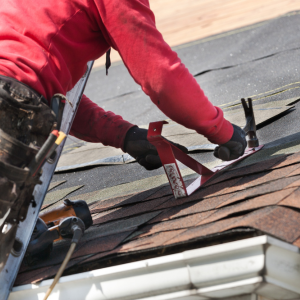
Roof repairs fall into a middle category. A full replacement before selling rarely pencils out financially unless the roof is genuinely at the end of its life. A targeted patch on a specific failing area, documented by a licensed roofer with an invoice, will typically satisfy the appraiser’s re-inspection. Ask the roofer to write a letter confirming the area is watertight; that documentation carries real weight when the appraiser returns.
What sellers should not do is spend money on cosmetic upgrades hoping they’ll offset required repairs. New countertops won’t make a lender overlook open knob-and-tube wiring. New flooring won’t cancel a drainage condition, even though it might look great in a listing photo. Prioritize what’s on the appraiser’s checklist, not what HGTV says buyers want.
If the repair list is long and the budget is short, selling to a cash buyer can be a practical solution rather than a last resort. Instead of spending thousands on repairs that may not deliver a return, homeowners can sell as-is and avoid the delays and uncertainty of a traditional sale. Cleveland Cash Offers buys houses for cash, so call us today to receive a fair, no-obligation offer. We purchase Ohio properties in their current condition with no repair requirements, no lender appraisal contingencies, and no risk of the sale falling apart because of financing. Whether you’re dealing with an inherited property, an aging home with deferred maintenance, or repairs that would consume most of your profit, selling for cash can provide a faster, simpler path to closing.
Frequently Asked Questions
Do Repairs Need to Be Done Before the Appraisal?
Not necessarily before the appraisal itself, but any repairs the appraiser requires must be completed before the loan can close. The appraiser visits, identifies conditions, and flags them in the report. Your lender then makes those corrections a condition of funding. If you want to get ahead of the process, having a pre-listing walkthrough done by a knowledgeable local buyer or agent can give you a preview of what an appraiser would likely flag, so you can fix the obvious issues before the official visit.
What Is the Repairs and Services Rule in Ohio?
Ohio’s property disclosure law under ORC 5302.30 requires residential sellers to disclose known material defects in writing before the purchase contract is finalized. This includes structural issues, water intrusion, known environmental hazards, and failed or failing mechanical systems. The rule doesn’t require you to fix anything; it requires you to tell buyers what you know. Failing to disclose a known defect can create legal liability that outlasts the closing.
Can a Seller Say No to Repairs?
A seller can decline to make any repair that a buyer requests. What a seller can’t do is refuse lender-required repairs and expect a financed sale to close anyway. If the appraiser flags a health or safety condition and the lender makes it a loan condition, the sale simply won’t go forward without the repair being completed, unless the buyer switches to cash financing or a different loan product. Sellers who don’t want to deal with repair conditions have the option of marketing to cash buyers, where lender appraisal requirements don’t apply.
Why Would an Appraiser Require Repairs?
An appraiser flags repairs when a property condition affects the health or safety of occupants, compromises the structural integrity of the home, or reduces the property’s marketability in a way that the lender needs to address before funding. On FHA loans, required repairs are limited to those necessary to preserve the continued marketability of the property and to protect the health and safety of the occupants. Cosmetic issues alone don’t trigger repair conditions; it’s the functional and safety-related problems that create mandatory flags.
If you’re facing appraisal-required repairs and trying to figure out whether fixing them or selling as-is makes more sense for your situation, Cleveland Cash Offers is a good place to start that conversation. No obligation, no pressure, just a straightforward look at your options from someone who buys Ohio homes every week. Reach out whenever you’re ready.
Helpful Ohio Blog Articles
- Sell A House with Water Damage in Ohio
- Selling A House with Foundation Problems in Ohio
- How to Sell a Fire-Damaged House in Ohio
- Can A Buyer Back Out After Inspection in Ohio
- Selling Home With Reverse Mortgage in Ohio
- How Long Should You Live in a House Before Selling It?
- Selling a House With Unpermitted Work in Ohio
- Can You Sell a House With Asbestos in Ohio
- How to Sell a Condemned House in Ohio
- How Much Does it Cost to Sell a House in Ohio
- Appraisal Required Repairs in Ohio
- Do All Heirs Have to Agree to Sell Property in Ohio
- Can You Sell a House With Termites in Ohio