

Most sellers in Ohio walk into a closing table expecting to pocket whatever the sale price minus the mortgage balance happens to be. Then the settlement statement lands in front of them, and the number is a few thousand dollars shorter than expected, which means the mental math they did at home was missing several line items. So how much does it cost to sell a house in Ohio? The answer includes more line items than most sellers expect.
Selling a house here costs real money. Getting your head around those costs before you list protects you from last-minute surprises and lets you make better decisions about whether, when, and how to sell. If you’re located in the area, exploring we buy houses in Cleveland options can help you skip many of these costs entirely.
How Much Does It Cost to Sell a House in Ohio?

A common pushback I hear from sellers goes something like this: “I’ve got equity, so the costs can’t be that bad.” Equity doesn’t disappear, but a good chunk of it does get redirected before a check lands in your hand.
Ohio’s median home sale price hit $274,027 as of May 2026, up about 5.4% from the prior year. Ohio closing costs average around 3% of the final sale price, and that figure doesn’t even touch realtor fees, which run another 5.9% on average. Add those together, and you’re already in the neighborhood of 9% off the top, before you count a single repair or staging dollar.
The figure tends to catch people off guard. They’ve been watching Zillow; they know their Tremont or Westerville home is worth more than it was three years ago, but they haven’t done the math on the exit costs.
For a concrete look: a home sold at the Columbus metro median of $327,500 would likely see total out-of-pocket selling costs land between $26,200 and $32,750. Your actual number depends heavily on your agent’s commission rate, the condition of the property, and what concessions a buyer negotiates out of you (inspection repairs drive this last one).
Sellers who go the traditional agent route also absorb Ohio’s transfer tax, title fees, attorney costs if they choose one, and often a share of the buyer’s closing costs to make the deal pencil out for the buyer’s lender. None of those feels big on its own. Together, they add up fast.
Homes in Ohio are sitting on the market for a median of 43 days right now, so carrying costs while you wait for a buyer are real, too. Your mortgage, utilities, and insurance don’t stop while you’re showing the house on Saturday afternoons. Sellers in older neighborhoods across Akron, Toledo, or Youngstown, where the houses need work before listing, can wait even longer.
If you want to skip a lot of this friction, Cleveland Cash Offers buys houses across Northeast Ohio and beyond as-is, for cash, on a timeline you control. No commissions, no prep costs, no open houses on your weekend.
Home Repairs, Staging, and Prep Costs Before You List
Skipping this part entirely is the most expensive mistake I see Ohio sellers make. Buyers in today’s market have more inventory to compare than they did two or three years ago, and a house that looks tired next to the competition simply sits.
Cosmetic issues that feel minor to you after fifteen years of living with them, a dated kitchen backsplash in a Bexley colonial, a dingy carpet in a Strongsville split-level, a front porch with peeling paint you’ve been meaning to address- those details are the first things a buyer photographs and sends to their agent with a “what do you think?” text. Agents advise offers that reflect what they see, so small deferred maintenance translates directly into lower numbers on paper.
A pre-listing inspection runs between $325 and $400 on average in Ohio, and it’s usually money well spent. Finding a water heater problem before the buyer’s inspector does means you get to control the narrative. Buyers’ inspectors find it, and suddenly you’re negotiating a credit at the worst possible moment in the deal, which is when buyers have the most leverage.
Staging costs swing wildly. A full vacant-home staging in a Dublin or Hyde Park property can run several thousand dollars for the first month. Partial staging or a consultation where a stager rearranges your furniture runs a few hundred. The version sellers should skip is the middle ground: spending money on new furniture they’ll have to move, when a consultation and a storage unit would have served better.
One pattern I keep seeing is sellers spending money on the wrong upgrades. They repaint the entire interior when it’s the worn-out floors, dated kitchen, or neglected curb appeal that buyers actually notice first.
If you’re getting your home ready to sell, spend your budget where it matters most: curb appeal, the entryway, the primary bathroom, and especially the kitchen. Those are the areas that make the strongest first impression and often have the biggest impact on buyers.
Whether you’re listing your home traditionally or searching for we buy houses in Cleveland options, focusing on the improvements buyers care about most can help you get the best return on your investment. These are the features that consistently help homes sell in Ohio neighborhoods, from Clintonville to Fairlawn.
Selling a house that hasn’t had a dime of updates since the early 2000s? Your prep budget is probably either substantial or nonexistent, meaning you list as-is at a price that reflects condition. Both are valid strategies. The mistake is spending half-measures on a house that needs full ones, and I’ve watched that choice cost sellers more than the renovation would have.
Realtor Fees and Closing Costs in Ohio
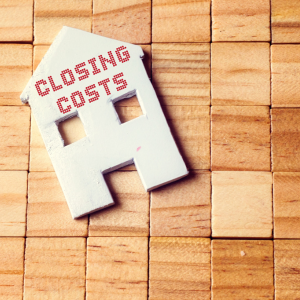
Sitting across the kitchen table from a seller who just found out the commission alone on a $280,000 house is somewhere between $14,000 and $17,000 is not a comfortable conversation. I’ve been in that room more than once, and I understand why that number stings.
A September 2025 survey found the average real estate commission in Ohio running at 5.73%, above the national average of 5.57%. Listing agents in Ohio typically take about 2.9% of that, with the buyer’s agent getting the rest. After the National Association of Realtors settlement in 2024, the rules around who formally pays the buyer’s agent shifted, but the practical reality in most Ohio transactions is that sellers are still covering both sides to attract buyers.
Beyond the commission, Ohio’s conveyance fee is one of the more seller-friendly aspects of selling here. The state charges one mill per $1,000 of the property’s value across all 88 counties. Franklin County (Columbus) adds $2 per $1,000 on top, for a combined rate of $3 per $1,000. That’s cheap compared to states like Pennsylvania or New York, where transfer taxes bite hard enough to change a seller’s net by thousands.
Title insurance is split between buyer and seller in most Ohio closings. The owner’s policy premium lands on the seller’s side of the closing statement. Title company fees vary by county and provider, so getting a good-faith estimate before you sign a listing agreement tells you what that line item will actually look like.
Homeowners association fees can add another wrinkle. If your property in a community like Avon Lake or Mason carries HOA dues, you’ll owe any outstanding balance at closing, plus possible transfer fees and estoppel documentation costs. Those run between $100 and $500 depending on your HOA’s policies.
Cleveland Cash Offers charges sellers zero commission, which can make a significant difference in a market where traditional agent commissions can consume nearly 6% of your home’s sale price. For homeowners looking to sell your house fast in Ohio—especially if the property needs repairs or you need to close on a specific timeline—the savings and flexibility can make the numbers work in your favor.
What About Capital Gains Tax When You Sell in Ohio?
Most sellers who’ve lived in their home for a while won’t pay a dime in capital gains tax. The federal exclusion is one of the most underused advantages in the tax code, and too many sellers start calculating their tax bill before they check whether they even qualify.
Single filers who’ve owned and lived in a home as their primary residence for at least two of the last five years can exclude up to $250,000 in capital gains from federal taxes. Married couples get a $500,000 exclusion. For most Ohio homeowners selling a house in Parma, Springfield, or Fairborn, that covers the entire gain.
The sellers who need to pay attention are those who’ve converted a former residence to a rental, inherited a property, or bought and sold within two years. Short-term gains get taxed as ordinary income at the federal level, which can be steep.
Ohio taxes capital gains as ordinary income at a rate of 3.75%, in addition to whatever federal rate applies. For sellers sitting on a large gain from a property they’ve rented out, running those numbers with a CPA before listing is worth the accountant’s hourly rate.
Property tax proration at closing is not the same as capital gains tax, but sellers confuse them constantly. Ohio property taxes are paid in arrears, so at closing you’ll credit the buyer for the portion of the year you occupied the home. Title companies handle the proration calculation automatically.
Do You Need a Real Estate Attorney in Ohio?
Ohio does not require an attorney to sell a house, which puts it in a different category from states like New York or Massachusetts where attorney involvement is mandatory. Title companies handle the bulk of Ohio closings without legal counsel present.
That said, attorneys earn their fee in specific situations. If your property has a lien dispute, an unclear title history, a divorce involved in the ownership, or any complicated contract terms, an attorney reviewing your paperwork before you sign protects you from problems that cost far more than their fee to untangle later. A straightforward Ohio closing with an attorney typically runs between $750 and $1,250, or around $239 per hour if billed hourly (title disputes push that higher).
For a standard residential sale where the title is clean and the contract is straightforward, your title company handles the escrow, the deed transfer, the payoff of your mortgage, and the disbursement of proceeds. You don’t need an attorney at the table to accomplish that.
Where sellers in places like Cleveland Heights or Lakewood sometimes run into trouble is when they close on a house with a title issue that a quick attorney review would have caught. Real estate attorneys and title companies both serve as safeguards here, and which one you use depends on your situation.
One thing that’s easy to overlook: your mortgage lender’s title insurance covers the lender, not you. Owner’s title insurance protects you, and in Ohio, that cost typically gets split between buyer and seller. Get clarity on who’s paying what before the closing disclosure arrives, because I’ve seen last-minute surprises at the table when nobody pinned this down early.
How to Get the Most Money From Your Ohio Home Sale

Overpriced houses sit, accumulate days on market, and eventually sell for less than they would have at the right price from day one. Buyers read market time as a signal.
In May 2026, about 30% of Ohio homes sold above list price. Those sellers priced correctly or slightly below market, created competition, and let the bidding process push the final number up. The other 70% sold at or below the list price, many after reductions that signaled to buyers they had negotiating room.
Pricing is the first lever. Timing is the second. Ohio’s real estate market moves with the seasons, and spring listings in markets like Cincinnati’s Hyde Park or Cleveland’s Shaker Square area draw more buyers than January. Listing with clean photos and a home that smells like it’s been cared for beats a professionally staged vacant house if the staging is overdone for the neighborhood.
Concessions are the third lever, and this one tends to surprise sellers at the worst possible moment. In Columbus transactions, buyers regularly ask sellers to contribute to their closing costs or cover a home warranty, and data from Redfin shows more than 44% of sellers nationally offered concessions in early 2025. Budgeting for a concession as part of your net proceeds calculation avoids the deflating feeling of agreeing to a credit two days before closing.
Caroline Crawford had been carrying two mortgages for almost eleven months when she reached out. She’d relocated to Cincinnati for work, left her Mentor house vacant, and had been paying both loans as the property sat with an agent who kept advising price reductions. By Thursday, when we walked through the garage, still packed with her ex-husband’s woodworking equipment, she couldn’t move, she was done with the traditional process. We closed in under three weeks. No open houses, no inspection negotiations, no commissions.
That’s not the right path for every seller. But for sellers in a time crunch or dealing with a property that needs work, a cash offer through a company like Cleveland Cash Offers can net more after costs than a traditional sale that drags on for months with carrying expenses piling up.
We were able to close before the auction date, helping them avoid foreclosure, pay off the lender, and walk away with money in their pocket instead of nothing at all.
In situations like this, listing with a real estate agent simply wouldn’t have moved fast enough. While a traditional sale may seem like it brings a higher price, waiting isn’t always an option. Sometimes, selling quickly delivers the best financial outcome.
If you’re facing foreclosure, behind on payments, or simply need to sell fast, Cleveland Cash Offers buys houses for cash. Call us today to see how we can help.
Frequently Asked Questions
How Much Are Closing Costs for a Seller in Ohio?
Ohio seller closing costs, separate from agent commissions, run around 3% of the sale price on average. When you fold in the agent’s commission, total seller costs typically fall somewhere between 6% and 10% of what the home sells for. Your exact number shifts based on county, property condition, and what concessions the buyer negotiates.
How Much Tax Do You Pay When You Sell a House in Ohio?
Most sellers who’ve lived in their home for at least two of the last five years pay no federal capital gains tax at all, thanks to the primary residence exclusion. If gains exceed that exclusion or you don’t qualify, Ohio taxes those gains as ordinary income at 3.75% on top of whatever federal rate applies. Talk to a CPA before closing if your situation is complicated.
How Much Are Closing Costs on a $300,000 House?
On a $300,000 sale in Ohio, seller closing costs outside of commission land roughly around $9,000, and adding a typical commission pushes the total cost to sell toward $24,000 to $30,000. Buyer closing costs on the same transaction run between $6,000 and $15,000 depending on loan type, county, and how the contract is structured.
What Is the Hardest Month to Sell a House?
January is widely considered the toughest month to sell in Ohio. Fewer buyers are actively shopping, the holidays slow momentum, and cold weather keeps people off the road to showings. If you can time your listing to hit the market in March or April, you’ll generally see more buyer traffic and stronger offers.
If you want to talk through what your specific situation looks like, whether that’s a traditional listing or a cash sale that skips the costs and the waiting, reach out to Cleveland Cash Offers. No pressure, no obligation, just a straight conversation about your options and what makes sense for you.
Helpful Ohio Blog Articles
- Sell A House with Water Damage in Ohio
- Selling A House with Foundation Problems in Ohio
- How to Sell a Fire-Damaged House in Ohio
- Can A Buyer Back Out After Inspection in Ohio
- Selling Home With Reverse Mortgage in Ohio
- How Long Should You Live in a House Before Selling It?
- Selling a House With Unpermitted Work in Ohio
- Can You Sell a House With Asbestos in Ohio
- How to Sell a Condemned House in Ohio
- How Much Does it Cost to Sell a House in Ohio
- Appraisal Required Repairs in Ohio
- Do All Heirs Have to Agree to Sell Property in Ohio
- Can You Sell a House With Termites in Ohio