
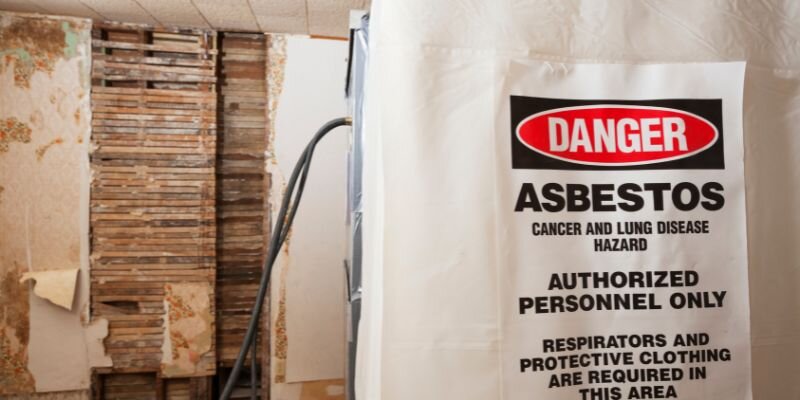
A seller called me last spring from a 1960s colonial in Parma Heights. She’d just gotten her inspection report back, her buyer was threatening to walk, and she had no idea there was asbestos in the floor tiles under her kitchen linoleum. She thought her sale was dead. It wasn’t. She had options she didn’t know about, and by the time we talked through them, she felt entirely different about her situation.
Ohio Homes and Asbestos: More Common Than You Think
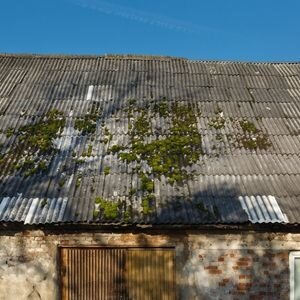
That Parma Heights seller isn’t an outlier. Across Greater Cleveland and throughout Ohio, thousands of homes built before 1980 still contain asbestos, and many of their owners are unaware. I-90 corridor neighborhoods, the near-west side of Cleveland, older stock in Lakewood, Garfield Heights, and Euclid, and even the brick colonials out in Mentor and Willoughby all share the same history: they were built in an era when asbestos was the standard material for insulation, floor tiles, pipe wrap, and roofing (the pipe wrap tends to surprise sellers most).
The Patel family found the truth the hard way last summer. They owned a brick two-story in Garfield Heights with a partially renovated kitchen and had received a contractor’s estimate to remove the old vinyl floor tiles before listing. The estimate came back higher than the kitchen remodel was worth. The tiles, it turned out, contained asbestos. I stepped in to look at the property on a Wednesday, and we talked through their options, since ripping out those tiles wasn’t the only way forward.
If you want to better understand who helps homeowners navigate situations like this, you can learn more about The Cleveland Cash Offers Team and how they approach properties in these conditions.
Asbestos gets treated like a death sentence in real estate conversations. It’s not. Sold right, disclosed properly, and handled legally, a home with asbestos in Ohio can absolutely change hands.
What Is Asbestos and Why Does It Matter for Ohio Homeowners
Sit down across from me at your kitchen table, and I’ll tell you this plainly: asbestos is a group of naturally occurring mineral fibers that were mixed into building products throughout most of the twentieth century because they resist heat, fire, and chemical damage better than almost anything else available at the time. Manufacturers put it in floor tiles, ceiling texture, pipe insulation, roofing shingles, siding, and joint compound. You’ll often find it in the flooring, ceilings, pipes, and roofing of homes built before the 1990s.
A rule finalized in March 2024 restricts the use of chrysotile asbestos in new construction, with a phased-out period built in, representing a major regulatory step forward. This is encouraging news for the future. But it doesn’t change what’s already in Ohio’s older housing stock, and that’s what matters to you right now.
Asbestos that’s intact and undisturbed generally isn’t an immediate danger. The real problem starts when materials get cut, sanded, broken, or demolished, releasing microscopic asbestos fibers into the air. A home inspection or a renovation can suddenly turn a quiet situation into an urgent one, which is why this issue matters. For Ohio homeowners looking to sell, the question isn’t really “do I have asbestos?” for an older property, because the answer might well be yes. Your next move determines what happens from here.
What Are the Health Risks of Asbestos Exposure in Residential Homes
About 3,000 Americans are diagnosed with mesothelioma each year, a rare and aggressive cancer tied almost exclusively to asbestos fiber exposure, according to the American Cancer Society. The number puts the risk in perspective: it’s real, it’s serious, and it’s why Ohio and federal regulators take asbestos in real estate transactions seriously.
Airborne asbestos fibers are invisible to the naked eye. Breathed in over time, they embed in lung tissue and don’t break down. The diseases they cause, including lung cancer, asbestosis (scarring of the lungs that restricts lung function), and mesothelioma (malignant tumors of the lung lining and abdomen), typically take decades to develop. The long latency period is precisely what makes asbestos exposure so insidious, because workers and homeowners who disturbed materials in the 1970s and 80s are still getting diagnosed today.
Asbestos fibers were typically found in walls, ceilings, roofs, floors, cement sheets, and insulation. In Ohio homes, the most common places buyers and inspectors flag are old 9×9 floor tiles, pipe wrap in basements, attic insulation, and textured “popcorn” ceilings. Undisturbed and in good condition, these materials pose a low immediate risk. Crumbling, damaged, or “friable” materials, which can be crumbled by hand, tell a different story entirely. Those release fibers readily into the air and need professional attention before anyone spends time in that space (basements are especially easy to overlook).
Many flooring workers in the past suffered from asbestos-related diseases because they were tearing out old tiles and unknowingly creating toxic dust. Sellers who attempt a quick pre-listing renovation without testing first often create a much bigger problem than they initially had, so the tile that looks ugly but remains intact is often less dangerous than the one someone chooses to rip out.
How to Test Your Home for Asbestos and What Certification Means
Many sellers push back on testing because they’re afraid of what they’ll find. The logic is backward. Not testing doesn’t eliminate asbestos; it just increases your liability.
Professional asbestos testing and inspection costs $250 to $800 before any abatement work begins. For most Ohio homeowners, that’s a modest investment compared to the risk of an undisclosed hazard becoming a lawsuit after closing. A certified inspector collects small material samples from suspect areas, sends them to an accredited lab, and returns a written report that identifies whether asbestos is present, what type it is, and whether the material is friable or intact (friable means it crumbles and releases fibers).
Ohio law requires that evaluations assessing health hazards associated with friable asbestos be conducted by an asbestos hazard evaluation specialist certified under Ohio Revised Code Chapter 3710. The person who takes samples in your home should have state certification, not just a general contractor’s license. Please request to see credentials before any testing begins, as I’ve seen situations where buyers later questioned the validity of the initial assessment.
The seller can use the inspection report as both a selling tool and a safety document. Buyers feel more comfortable making an offer when they can see the actual lab results rather than relying on a seller’s verbal assurance. Home inspectors who do general property inspections are not certified asbestos specialists; their role is to flag suspect materials and recommend a separate asbestos evaluation, not to make definitive calls. This is an important distinction worth understanding before you list.
Ohio Disclosure Laws and Legal Obligations When Selling Property

A seller in Strongsville once told me he’d decided not to mention the pipe insulation in his basement because it had been there for forty years without a problem. He changed his mind pretty quickly when I walked him through what could happen if a buyer discovered it six months after closing, which could lead to a lawsuit over a disclosure he chose to skip.
Ohio’s disclosure requirement is found in Ohio Revised Code § 5302.30, which requires sellers of residential property containing one to four dwelling units to complete a Residential Property Disclosure Form. Asbestos falls squarely under the environmental hazards section of that form. The Ohio disclosure law requires sellers to disclose only those material defects that they actually know about, meaning you aren’t required to get an independent inspection to complete the form, only to list what you’ve specifically learned and observed.
The “actual knowledge” standard applies to both sides. If you’ve had a test done, you know. You know if a previous contractor mentioned suspect materials during a repair. Claiming ignorance after you’ve already been told is what gets you in front of a judge.
Failure to disclose known asbestos can lead to lawsuits or financial penalties, and buyers who find undisclosed asbestos after closing may seek compensation for remediation costs or other damages. The Ohio EPA and the U.S. Environmental Protection Agency both maintain regulations that govern how asbestos must be managed, and Ohio’s state rules work alongside federal law rather than replacing it (layered compliance, not a simple checklist).
Ohio sellers are required to give buyers a completed disclosure form “as soon as is practicable.” If buyers sign a purchase contract before receiving the disclosures, they can rescind the contract within three business days. The three-day window moves fast. Get the disclosure form to buyers early.
Can You Legally Sell a House with Asbestos in Ohio
Sellers don’t have to remove asbestos before closing. People often exclude this fact from conversations about this topic, and it changes the math for many homeowners.
The Environmental Protection Agency enforces regulations under the Asbestos Hazard Emergency Response Act and the Toxic Substances Control Act, but these laws do not mandate asbestos removal before a sale. Ohio law follows the same principle: disclose what you know, manage it responsibly, and the transaction can proceed. A seller who discloses asbestos honestly and completely is on solid legal ground, sparing you thousands in remediation costs just to get to closing. The law mandates transparency, not remediation.
You have real choices here. Sell as-is with full disclosure and let buyers factor the remediation cost into their offer. Remove or encapsulate before listing and try to capture a cleaner price. Or sell directly to an investor or cash buyer who’s already comfortable with properties that need environmental work. All three are legitimate paths under Ohio real estate laws.
The cash sale route removes much of the friction. For homeowners dealing with environmental issues such as asbestos, cash home buyers in Ohio are often willing to purchase properties in their current condition, eliminating many of the hurdles associated with lender-required repairs and inspections. Mortgage lenders sometimes balk at properties with known asbestos, particularly if the material is friable or if the home inspection turns up a large affected area. FHA and VA loans carry tighter property condition requirements that can stall or kill a sale. Cash buyers, including the team at Cleveland Cash Offers, don’t need to meet an underwriter’s checklist. They price the property knowing about the asbestos and move forward without the drama of a financing contingency.
I’ve seen sellers spend three months trying to close a financed sale on an asbestos property, only for it to collapse at the last minute. A direct cash offer closed in two weeks on the same house.
What It Costs to Remove or Manage Asbestos in an Ohio Home
The number that gets thrown around in online searches is usually for a small, single-room project. Real Ohio homes, especially the 1,500- to 2,000-square-foot colonials and ranch houses that make up most of the Cuyahoga County inventory, often contain asbestos in multiple locations (attic insulation, floor tiles, and pipe wrap).
Removing asbestos in Columbus costs $2,192 on average, with most homeowners paying between $1,421 and $2,964. That’s for a contained, straightforward job. Roof or exterior siding abatement costs run far higher due to the square footage and containment requirements. Whole-home remediation can reach $7,500 or more. When you’re dealing with pipe insulation running through multiple rooms or original floor tiles throughout an entire first floor, the bill grows fast.
Instead of removing the material, a certified professional seals it with a bonding compound or physical barrier that keeps fibers from becoming airborne. Encapsulation is a cheaper alternative, costing $2 to $6 per square foot, compared to full removal. For intact materials in good condition, encapsulation is often the safer choice; disturbing asbestos to remove it can release more fibers than leaving it alone.
Ohio Administrative Code 3745-22 defines a project for removing asbestos hazards as involving more than 50 linear feet or 50 square feet of friable asbestos-containing materials. Projects that hit that threshold must be reported to the Ohio EPA before work starts, leaving the clock ticking before a single tile gets pulled. Smaller contained projects may not trigger formal notification requirements, but they still need licensed contractors.
One pattern I keep seeing: sellers get a remediation quote, decide it pencils out, and then discover the scope was underestimated once the contractor opens up walls or pulls up tile. Add 15-20% to whatever number you get. Asbestos abatement jobs rarely come in under the initial quote.
How to Find and Hire a Qualified Asbestos Abatement Professional in Ohio
Any contractor who quotes you for asbestos work without mentioning their Ohio EPA certification is one you should not hire.
In Ohio, asbestos removal must be performed by a professional who is licensed and certified by the state’s Environmental Protection Agency. That’s not optional, and it’s not a technicality. Unlicensed removal creates liability for you, the property owner, and may result in fines from the Ohio EPA. More practically, improperly removed asbestos contaminates the entire work area and can make your property harder, not easier, to sell.
Get at least three offers. Prices vary by region within Ohio; a Cleveland-area contractor may quote differently than one based in Columbus or Dayton, and project complexity matters as much as square footage. Ask each contractor for their Ohio EPA license number and verify it directly on the Ohio EPA’s contractor database. Ask for references from Ohio residential projects specifically, not just commercial abatement jobs, because residential work involves different access constraints and homeowner coordination that don’t come up on a warehouse job.
A reputable contractor will also provide a clearance test after the work is done, an independent air sample showing that fiber levels are back within safe limits. That clearance report becomes part of your property file and is worth handing over to buyers at closing. It converts a liability into a documented, resolved issue, and that’s a very different conversation to have with a nervous buyer’s agent (who’s seen a sale fall apart over less).
How Asbestos Affects Your Home’s Market Value in Ohio
Does asbestos automatically tank your sale price?
Not always; it depends more on how you handle it than on the material’s presence. Asbestos can affect a home’s value, but the extent depends on factors such as its location, amount, and the buyer’s perception. A few 9×9 floor tiles in an otherwise well-maintained Westlake or Bay Village home sit differently in a buyer’s mind than an attic full of crumbling pipe insulation in a Maple Heights rental property.
Buyers in Ohio’s competitive real estate market do negotiate hard around asbestos. They’ll ask for price reductions, repair credits, or upfront remediation. Sellers who’ve already had a certified inspection and can hand buyers a written report tend to fare better in those negotiations than sellers who disclose asbestos without any documentation. Uncertainty costs more than the actual problem.
Health-conscious buyers use asbestos as a lever to secure a lower sale price. Yet buyers willing to absorb the risk still surface in Cleveland’s market, particularly renovators, landlords, and seasoned investors who factor abatement into their broader value-add plans. That’s a useful thing to remember: your buyer pool shifts, but it doesn’t disappear. Many owners facing disclosure challenges choose to sell your house fast for cash in Brook Park rather than spend months negotiating repairs, remediation credits, and financing-related contingencies.
For sellers who want to skip the negotiation entirely, working with Cleveland Cash Offers means a cash offer based on the property’s actual condition, asbestos and all. No buyer agents are pushing for price cuts at the inspection contingency, and no lender is pulling out over environmental concerns.
What Buyers Actually Think When They Find Out a Home Has Asbestos
For a long time, I thought buyers would always walk away from an asbestos disclosure. I was wrong about that.
Maria Martinez reached out to me on a Thursday after she’d been three months behind on her mortgage, with an auction date already scheduled on her Akron bungalow. Her garage was full of her late husband’s tools; she hadn’t been able to face clearing it out, and she’d already had two conventional buyers back out after the inspection showed asbestos-containing insulation in the basement. She didn’t need a lengthy listing process. She needed a buyer who understood what she was dealing with and could close before the auction date.
The buyers who walk away from asbestos disclosures are almost always financed retail buyers who can’t get lender approval or who don’t have the appetite for any additional complexity after a long home search. Investors, experienced renovators, and direct buyers read the situation differently. They view remediation costs as a line item in a project budget, not a surprise that derails their plans.
Asbestos was so common as a building material before 1980 that most homebuyers who know their history assume some small presence of the mineral in an older home. Savvy buyers in Ohio’s older housing markets, especially in Cuyahoga, Summit, and Lorain counties, have usually encountered this before. What spooks them isn’t the asbestos itself; it’s the feeling that a seller is hiding something. Full disclosure, paired with actual documentation, consistently produces better outcomes than vague assurances.
If you’re in a situation where asbestos has already scared off a buyer, reach out to Cleveland Cash Offers. We’re familiar with Ohio properties in this exact situation, and we won’t make you feel like the house is unsellable.
Frequently Asked Questions
Do Realtors Have to Disclose Asbestos to Buyers?
Yes, agents and sellers both carry a disclosure obligation. Ohio law requires sellers to disclose the presence of asbestos, a step that protects future occupants and preserves the seller’s integrity. A real estate agent who knows there’s asbestos on a property cannot legally withhold that information from buyers. If your agent knows and doesn’t disclose, you can both face legal exposure.
Do Sellers Have to Tell Buyers About Asbestos?
Ohio’s disclosure requirement under Ohio Revised Code § 5302.30 requires sellers of residential property to complete a Residential Property Disclosure Form and to disclose only those material defects or other information they actually know about. If you’ve tested and found asbestos, you must disclose it. If you’ve never tested for asbestos and have no reason to suspect it, you don’t need to order an inspection before listing. Your obligation is tied to your actual knowledge.
How Much Does Asbestos Lower a House’s Value?
There’s no single number, because it varies too much by property type, location, and how the seller handles the disclosure. A home where asbestos has already been professionally remediated and the clearance report is in hand typically sees little to no price impact. An undocumented asbestos issue in a home under active negotiation can knock 5 to 15 percent off the offer price or trigger a credit demand. Managing it proactively, either by remediating before listing or selling as-is to a cash buyer, keeps more money in your pocket than letting it surface as a surprise during inspection.
Is It Legal to Remove Asbestos Yourself in Ohio?
In Ohio, asbestos removal must be performed by a professional who’s licensed and certified by the state’s Environmental Protection Agency, and homeowners should never attempt this project, as it’s illegal to DIY asbestos removal. Beyond the legal issue, the health risks of disturbing asbestos without proper containment, respirators, and HEPA filtration are serious. The fines and the cleanup liability from an improper DIY removal can cost far more than hiring a certified contractor from the start.
If you have asbestos on your Ohio property and are unsure what to do next, we’re here to help. No pressure, no obligation. Reach out to us, and we’ll give you a straightforward explanation of your options and what your home could sell for in its current condition.
Helpful Ohio Blog Articles
- Sell A House with Water Damage in Ohio
- Selling A House with Foundation Problems in Ohio
- How to Sell a Fire-Damaged House in Ohio
- Can A Buyer Back Out After Inspection in Ohio
- Selling Home With Reverse Mortgage in Ohio
- How Long Should You Live in a House Before Selling It?
- Selling a House With Unpermitted Work in Ohio
- Can You Sell a House With Asbestos in Ohio
- How to Sell a Condemned House in Ohio
- How Much Does it Cost to Sell a House in Ohio
- Appraisal Required Repairs in Ohio
- Do All Heirs Have to Agree to Sell Property in Ohio
- Can You Sell a House With Termites in Ohio