
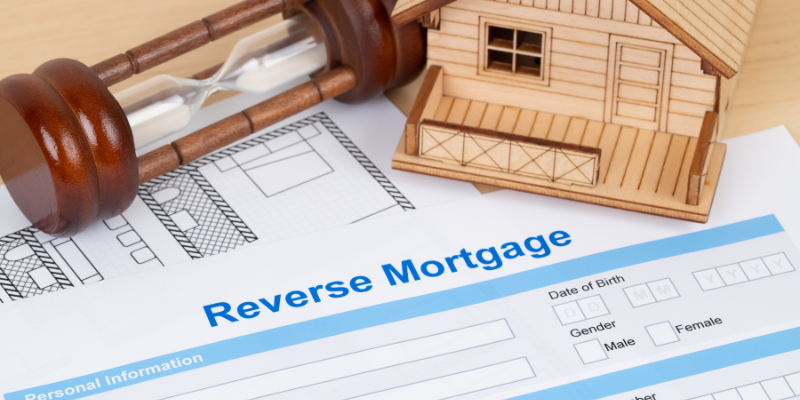
Selling your property with a reverse mortgage in Ohio can be a complicated proposition, but with the right approach it can be a great way to leverage your home equity. If you are moving, downsizing or your finances change, knowing the process will help ensure a smooth transaction.
This guide will explain the specific qualities and effects of this procedure and provide clarity, information, and tips on how to successfully sell a reverse mortgage home. Confidently work around limits, manage expectations, and enhance your home’s market potential.
Brief Summary
Selling a house with a reverse mortgage in Ohio is an involved process that demands planning and understanding of several rules and legislation. This guide explains the pros and cons of a reverse mortgage so that a house owner can make an informed decision.
Key things to keep in mind include getting the proper paperwork, looking at what’s happening in the market, and knowing the particular laws in Ohio. Closing is the stage that matters most, since it transfers ownership, clears the loan balance, and settles the costs that come with the sale. Homeowners are advised to seek professional advice to ensure a smooth sale and to maximize their home’s market worth.
Key Highlights
- Reverse mortgages allow seniors to cash in on their home equity, without monthly payments.
- Getting ready to sell involves gathering paperwork and looking into the market.
- Homeowners in Ohio have particular legal requirements when selling a reverse mortgage.
- Then you need to pay off the outstanding loan balance and expenses to close.
- Getting assistance from an expert helps you follow the regulations and get the best possible financial results.
Reverse Mortgages at a Glance
A reverse mortgage can be a valuable financial tool for a homeowner, particularly a senior who wishes to tap into their home equity without the obligation of monthly payments. With any financial instrument, you need to understand the benefit and the potential downside. What is a reverse mortgage loan?
A reverse mortgage lets you transfer some of the equity in your home into cash, but you still retain your home. It is a good thing, but you need to know how it works and what it does to make wise selections. In this section we’ll cover what a reverse mortgage is, how it works, and the pros and cons for homeowners.
What is a Reverse Mortgage? How does it work?

A reverse mortgage is a type of loan for older homeowners who would like to tap into some of the equity in their home. The thing about a reverse mortgage is you don’t have to make the monthly installments as you would with a conventional mortgage. What happens is that the debt of the loan grows as interest is added on top of what you owe. The most common type is a Home Equity Conversion Mortgage (HECM), which is federally insured. To be eligible, the homeowner must be 62 years or older and reside in the home as a primary residence. The reverse mortgage is repaid when the homeowner sells the home, permanently moves out of the home or dies.
It could be a reassuring way for retirees to generate a reliable income without having to dip into other investments. Counseling matters here, because it helps a borrower understand what they are agreeing to.
You’ll have a qualified adviser with you during the counseling session to provide you with detailed information on how reverse mortgages work and other options that might be available. Homeowners need to realize that while they may be getting cash for home equity, it will have a future effect on the estate they leave to their heirs. With this knowledge, the borrower may make an informed choice about whether a reverse mortgage is a good fit for their financial requirements and goals.
Advantages and drawbacks for homeowners
Many seniors seek flexibility when it comes to their finances, and a reverse mortgage can deliver enticing benefits. Homeowners can use their home equity to help pay for needed expenses, medical expenses or simply have a better quality of life in retirement. Unlike a regular mortgage, a reverse loan is not repaid until the home is sold, the owner moves out for good, or the owner dies. That can be a real help for Ohio retirees living on a fixed income.
However, there are some substantial downsides that potential borrowers should consider carefully. A key difference between a reverse mortgage and a standard mortgage is that the amount of the debt increases over time with interest and may affect equity for heirs. They also have to keep paying property taxes, insurance, and maintenance expenses, or the loan goes into default. Borrowing against your home equity will reduce the value of the estate and can impact your long-term financial planning. Reading the loan terms closely is what puts a homeowner back in control of their equity.
Preparing to Sell Your Home With a Reverse Mortgage

Selling a home with a reverse mortgage is a process with a few key steps to make sure the sale goes smoothly. If you’re an Ohio homeowner and you’re planning on selling your home, you’ll need to collect vital information and papers about your reverse mortgage.
It is also necessary to evaluate the current real estate market so as to receive the best value for the home.
By understanding these factors, borrowers can make informed decisions, reduce financial stress, and maximize the equity they receive from the sale.
Although reverse mortgages can be complex, homeowners who know what to expect can navigate the process more smoothly, especially when looking to sell your house fast in Cleveland and secure the best possible outcome.
Collecting the Required Information and Documentation
The first step in getting ready to sell your Ohio property with a reverse mortgage on it is to collect all of the required documentation and paperwork. This means you need to know exactly what your current mortgage balance is, because this number will directly influence your equity. You’ll need to ask your lender for a payback statement, which will provide you with the exact amount you need to pay off the reverse mortgage. Your initial loan agreement will also provide you with a glimpse of any exceptional conditions or terms that may impact the selling process.
You’ll also want to collect any other important papers, such as your most current property tax bill, insurance information, and any recent appraisals of your home you might have. They are a terrific resource to help you identify the value of your home in today’s market and price it to sell. You’ll also want to know what happens if you sell your house before the reverse mortgage is paid off, so you can plan your finances post-sale. A financial advisor specializing in reverse mortgages can also assist you in understanding the financial implications and design a solid plan that works for you. Having the proper documentation and a complete grasp of your mortgage arrangement puts you in an excellent position to pursue the next steps.
Market Assessment for Value Optimization
When selling a house with a reverse mortgage, it’s crucial to assess the market. In Ohio, the real estate market is always in flux. See what the market is doing today so you can get a feel for how your house will do. Some key aspects include comparable home sales and general economic issues that can influence property prices. Online property estimators or expert appraisals give you a ballpark figure of where your home is.
It’s also vital to consider the regional considerations that may affect your sales in Ohio. Local economic issues such as employment rates or changes in the housing market can have a large impact on property values. You will know if the market is favoring buyers or sellers, so you can decide when to begin your transaction. Also look at local inventory. When the supply of homes for sale is low, you are in a stronger position on price. Values move differently from one suburb to the next, so check what is happening near you. See how we work as cash home buyers in Lakewood, or read about how we buy houses in Parma.
It’s also crucial to consider intangibles that can make your house more attractive from the outset, such as proximity to amenities or the prestige of the neighborhood, so you can build them into your selling strategy. This comprehensive appraisal allows you to maximize the sale price of your property and to ensure you obtain the most equity out of the sale, so you can accomplish your financial and personal goals as best as possible.
Selling a Reverse Mortgage Home in Ohio: Key Steps
If you want to sell your house with a reverse mortgage in Ohio, you should be familiar with the loan balance, legal concerns, and state-specific considerations.
Ohio homeowners may face unique procedures, lien considerations, and legal obligations that can affect the selling process. Having a clear understanding of these factors helps sellers make informed decisions, avoid complications, and move through the transaction with greater confidence. Because reverse mortgage sales can involve complex legal and financial details, working with experienced professionals can make the process smoother and more manageable.
For homeowners looking for a faster and simpler option, we buy houses in Ohio and can help guide you through selling a property with a reverse mortgage while minimizing stress and delays.
Ohio-Specific Legal Issues and Practices

Selling a home with a reverse mortgage in Ohio requires careful consideration of the legal aspects of the sale. There are some unique restrictions in Ohio that you have to follow, and knowing these is the key to a seamless transaction. You’ll want to check if there are any outstanding liens that may affect ownership of the property. Any lien has to be paid or released at closing, because it blocks a clean transfer of title. Having a lawyer who is familiar with the housing laws in Ohio can be very useful to you in this situation.
One key factor is that the lender should offer a payoff statement explicitly stating the exact loan amount. This document is crucial to figure out how much is needed to pay off the reverse mortgage loan. You may also want to talk to a HUD-approved counselor. Counseling helps to make sure the homeowner knows what it means to sell the home with a reverse mortgage in place. Counselors can assist you in understanding the conditions of your financing and any future financial plans you may need after the home is sold.
Ohio also has its own disclosure rule. Under Ohio Revised Code 5302.30, most residential sellers must hand the buyer a Residential Property Disclosure Form before the purchase contract is signed. Sales by a fiduciary administering an estate, a guardianship, a conservatorship, or a trust are exempt. That exemption comes up often with reverse mortgage homes sold after the borrower dies. Due diligence is needed throughout the whole process, from the original agreement to repay the reverse loan to the final sale. A better, more smoothly run transaction is one where you know what paperwork you will need and what your borrower’s responsibilities are. Good legal counsel will help to prioritize these tasks, ensuring legal requirements are met effectively and protecting against potential legal difficulties, while promoting a successful property sale. Good legal advice early on is what keeps an Ohio reverse mortgage sale on track.
Closing Procedures in Ohio
And if you have a reverse mortgage in Ohio and you want to sell your home, you’ll also want to learn about the complicated closing process that changes ownership and clears any leftover balance. A smooth transfer of the loan is very crucial in closing on a reverse mortgage, including paying down the loan total, understanding your duties, and paying any expenses. This section describes the important steps homeowners need to take, emphasizing a smooth transfer and minimizing potential difficulties.
Easing the Transition for Homeowners
When it’s time to sell a home with a reverse mortgage in Ohio, it’s crucial to make the transfer as easy as possible for the homeowners. That means knowing exactly how the sum of the reverse mortgage, what you borrowed plus interest, is paid off. One key component in this process is making sure the outstanding loan sum is paid exactly.
As part of the closing process, homeowners pay off the debt that has accrued on the reverse mortgage by paying off any loans and fees. Settlement guarantees the new owner gets a clean transfer of title. This is necessary for a legally valid transaction.
The first step in the closing process is a thorough review of the equity in your home and the remaining loan obligation. Also, remember that the total amount of the loan may have increased over time due to the accumulation of interest, so be sure to have a clear plan when it comes to finances to ensure all obligations are cleared. You’ll need a complete payback statement from your lender for this. This statement displays the exact amount needed to fully satisfy the loan. This ensures that there are no loose financial ends when the property is transferred.
Also, make sure to properly allocate the net equity in your residence. And if you do have leftover equity, be sure to use it wisely to meet your financial goals when you pay off your reverse mortgage. Consult a financial expert to help clarify post-sale equity allocation for improved financial planning. Homeowners might also expect other expenses that could be due at closing.
Closing costs may include title searches, property taxes, and insurance premiums. Knowing about them ahead of time keeps the closing from eating into your equity. Cleveland Cash Offers buys houses for cash across Ohio, so if you want a simpler path to closing, contact us for a no obligation offer.
FAQs
What’s a reverse mortgage? How It Works
A reverse mortgage is a loan that enables older homeowners, aged 62 or older, to transfer a portion of their home equity into cash without having to make monthly payments. Interest accrues on the loan over time and is repaid when the homeowner sells the home, moves out, or dies.
How To Sell A Reverse Mortgage Home In Ohio
This comprises securing the appropriate paperwork, assessing market trends, following Ohio-specific regulatory standards, and ensuring a smooth closing procedure with loan payoff and expenditure management.
What are the pros and cons of a reverse mortgage?
The good: It allows seniors to tap into their home equity as cash without monthly payments, offering financial flexibility. Cons include that the sum on the loan grows over time, which might cut into the inheritance left for heirs, and the responsibility to continue paying property taxes and upkeep expenses.
What does a professional advisor do when selling a home with a reverse mortgage?
A professional helps you work through the legal requirements, the money side, and the paperwork Ohio expects, so the sale closes without surprises.
Helpful Ohio Blog Articles
- Sell A House with Water Damage in Ohio
- Selling A House with Foundation Problems in Ohio
- How to Sell a Fire-Damaged House in Ohio
- Can A Buyer Back Out After Inspection in Ohio
- Selling Home With Reverse Mortgage in Ohio
- How Long Should You Live in a House Before Selling It?
- Selling a House With Unpermitted Work in Ohio
- Can You Sell a House With Asbestos in Ohio
- How to Sell a Condemned House in Ohio
- How Much Does it Cost to Sell a House in Ohio
- Appraisal Required Repairs in Ohio
- Do All Heirs Have to Agree to Sell Property in Ohio
- Can You Sell a House With Termites in Ohio
- Can Medical Bills Take Your House in Ohio